
Being a new mother is a wonderful experience — yet it also brings significant changes to your body. Therefore, establishing a robust postpartum fitness Program is more crucial than ever. Whether your goal is to regain strength, enhance energy, or simply feel more like your former self — this guide will provide you with all the necessary information, step by step.
In this article, we will discuss all about Postpartum Fitness Plan:
- Postpartum Recovery & Healing
- Postpartum Mental & Emotional Health
- Body Strength & Mobility
- Postpartum Lifestyle & Routine
- Postpartum Common Concerns & Myths
- Postpartum Weight & Diet
Its effectiveness, how to initiate it safely, and strategies to ensure its long-term adherence. Let us explore this topic and assist you in feeling stronger, healthier, and more confident once again.
What Constitutes a Postpartum Fitness Program?

A postpartum fitness plan is a customized collection of exercises, diets, routines, and habits specifically designed for your body following childbirth. It does not involve immediately resuming intense workouts. Rather, it is a carefully considered recovery-oriented plan that accommodates your pace, your body, and your lifestyle as a new mother.
- The terms “postpartum workout plan,” “postnatal fitness routine,” and “after-baby fitness program” all convey the same concept.
- This plan supports your core muscles and pelvic floor, enhances your cardiovascular health, and promotes your mental well-being.
- It adheres to guidelines that recommend new mothers gradually reintroduce movement after giving birth. (PMC)
The Importance of Your Postpartum Fitness Program
Recovery and Healing
Following childbirth, your body experiences significant transformations. An effective Exercise plan after delivery aids in your recovery by enhancing blood circulation, minimizing swelling, and restoring core stability. Research indicates that suitable postpartum physical activity enhances muscle tone and facilitates recovery. (PMC)
for complete guidance
Energy Enhancement and Mood Elevation

Do you feel exhausted or overwhelmed?
Incorporating regular movement into your fitness plan can elevate your energy levels and enhance your mood. Engaging in exercise post-pregnancy has been demonstrated to improve mood and alleviate postpartum anxiety and depression. (PMC)
For complete guidance
Postpartum Workout Plan: Strength & Mobility
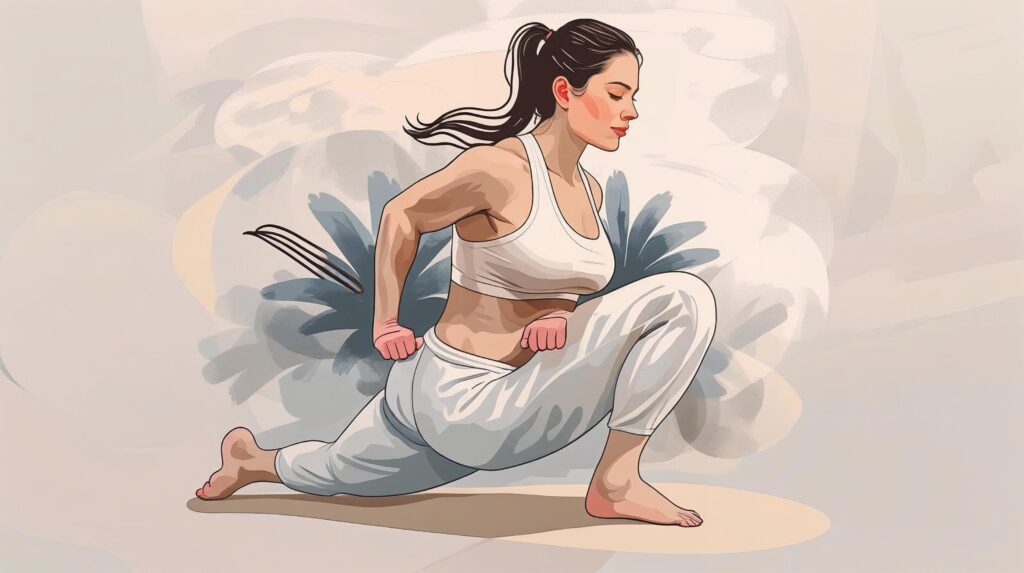
Your body after childbirth requires assistance — particularly the pelvic floor, lower back, hips, and core. A carefully designed Post-pregnancy workout guide aids in restoring strength and mobility, making daily activities (such as lifting your baby, bending, and walking) feel more manageable and secure.
for complete guidance
Long-Term Health Benefits Of Postpartum Workout Plan

Implementing a well-organized postpartum fitness strategy can help mitigate long-term risks such as weight retention, cardiovascular problems, Poor sleep (insomnia) and weakened muscle support. Health guidelines suggest engaging in some form of physical activity after childbirth to promote overall well-being. (PMC)
for complete guidance
How to Start Your Postpartum Fitness Program Safely
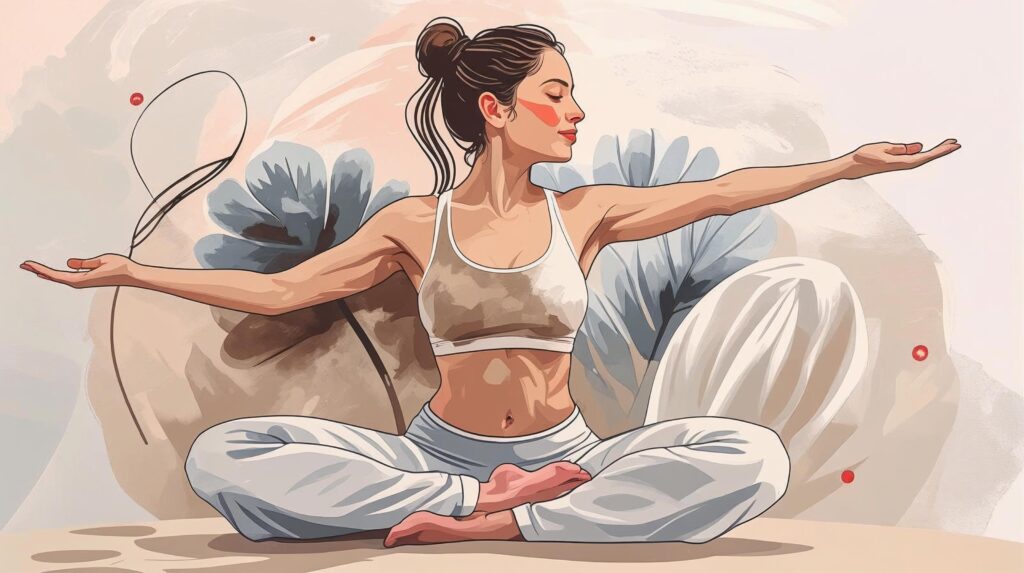
Step 1 – Obtain Medical Clearance
Prior to commencing a postpartum fitness program, consult with your physician. If you experienced a C-section or any complications, your recovery timeline may vary. Numerous sources advise waiting until you receive medical clearance. (Houston Methodist)
Step 2 – Initiate with Gentle Practices
Commence your journey with safe postpartum exercises:
- Stay active with your baby
- Gentle activation of the pelvic floor and core recovery exercises
- Deep breathing exercises and mild stretching
- Low-Impact Postpartum Exercises
- Postpartum Yoga Exercises
- Pilates for postpartum recovery
- Postpartum Stretching Exercises
This initial phase allows you to gradually adapt to movement without straining your body.
Step 3 – Progress Gradually
As you heal, you can enhance your postpartum workout regimen:
- Increase the duration and incorporate light resistance
- Introduce low-impact cardiovascular activities (such as swimming or cycling)
- Start light strength training focusing on the core and hips
research suggests that a gradual approach to building up is essential. (PMC)
Step 4 – Implement the 5-5-5 Rule for Recovery and Mindset
To enhance your strategy, utilize the 5-5-5 rule:
- Engage in movement for 5 minutes (walking or gentle stretching)
- Gradually increase to 5 days per week of regular activity
- After a period of 5 weeks, evaluate your progress and increase intensity safely.
This guideline assists you in maintaining consistency, preventing burnout, and recognizing your progress.
Step 5 – Monitor Progress and Make Adjustments
Maintain a tracker or journal for your Postpartum recovery fitness:
- Record the duration of workouts, your feelings, and any discomfort experienced.
- Modify exercises if you encounter any pain.
- Acknowledge achievements such as “first 15-minute walk” or “core activation day.
Refer to the table below to assist you in visualizing the initial stages of your plan.
Sample Postpartum Fitness Program Timeline
The following chart serves as a guide for the phases of your early postpartum fitness plan. You may adjust it according to your recovery and medical recommendations
| Phase | Weeks | Focus | Examples of Movement |
| Phase 1 (Healing) | Weeks 0-2 | Gentle recovery, core activation | Breathing exercises, pelvic tilts, slow walks |
| Phase 2 (Foundational) | Weeks 3-6 | Build strength slowly | Walking 10-15 min, bodyweight glute bridges, gentle yoga |
| Phase 3 (Growth) | Weeks 7-12 | Increase activity, low-impact | Light resistance bands, cycling, gentle strength work |
| Phase 4 (Maintenance) | Week 12+ | Transition to long-term plan | Regular full-body workouts, mix cardio + strength |
This sample postpartum recovery timeline provides a clear pathway for you to intentionally and safely follow your postpartum fitness plan.
Core Elements of an Effective Postpartum Fitness Program

Pelvic Floor & Core Recovery
Your postpartum workout regimen should emphasize the activation of pelvic floor and core muscles from the outset. These muscles endured significant strain during pregnancy and childbirth. Essential exercises include pelvic tilts, bridges, and Kegels. (drmaehughes.com)
Low-Impact Cardio
Engaging in low-impact cardio is beneficial for your cardiovascular health without placing excessive stress on your joints. Activities such as walking with your baby, swimming, or using a stationary bike are excellent options. Begin at a slow pace and gradually increase your intensity.
Strength & Mobility
As your strength improves, integrate strength training for your hips, back, and legs. Initially, utilize body weight or light weights. Additionally, prioritize mobility exercises such as hip openers, leg swings, and gentle yoga to facilitate the progression of your postpartum fitness plan.
Combine yoga with a full-body routine—visit our postpartum yoga exercises plan to build a balanced, long-term recovery program.
Flexibility & Recovery
Days dedicated to flexibility and recovery are crucial! They aid your postpartum body by alleviating stiffness, enhancing your range of motion, and helping to prevent injuries. Stretching, foam rolling, or practicing yoga are all beneficial activities.
Nutrition & Hydration
Your postpartum workout plan will be incomplete without postpartum nutritional diet plan. Ensure you stay hydrated, consume balanced meals rich in protein, healthy fats, vegetables, and whole grains. Proper nutrition is vital for muscle repair, maintaining energy levels, and overall recovery.
How to Make Your Postpartum Fitness Program Stick

Set Realistic Goals
Avoid placing undue pressure on yourself regarding your plan. Establish attainable goals such as: “Walk for 10 minutes three days this week” or “Perform pelvic floor exercises after changing a diaper.” Small victories accumulate over time.
Choose Activities You Enjoy
Your postpartum fitness plan is more likely to succeed if you find enjoyment in it. Whether it’s walking with your baby or attending a postnatal yoga class, the key is to engage in activities that you will consistently pursue.
Involve Support & Accountability
Share your postpartum fitness plan with a partner or friend. Consider joining a class or an online community. Having support can significantly enhance your consistency. Research indicates that social support is a crucial factor in maintaining postpartum fitness. (BioMed Central)
There are numerous online communities and groups available to support mothers after childbirth, assisting with postpartum challenges, mental health issues, and parenting:
- Postpartum Support International (PSI) provides free virtual support groups focused on postpartum depression, anxiety, and distress.
- The Motherhood Center offers virtual support groups for both pregnant and postpartum mothers dealing with baby blues, postpartum depression, and anxiety.
- Various hospitals and organizations conduct postpartum support groups through Zoom or other platforms—some of these are therapy-oriented while others focus on peer support.
- Additionally, online forums, Facebook groups, and platforms such as Reddit host vibrant communities where mothers exchange experiences, advice, and emotional support.
- Peer support has been shown to be effective in alleviating feelings of isolation and delivering emotional, informational, and practical assistance during the postpartum period.
Adjust for Life’s Changes
The sleep schedule of your baby, your energy levels, and the changes in your body will influence your fitness plan. Therefore, it is essential that your postpartum fitness plan incorporates flexibility. Some days you may exert more effort; on other days, you may need to take a break.
Monitor & Celebrate Progress
Keep track of your workouts, energy levels, and mood. At the end of each week, share your achievements. When you hit a milestone, such as completing a “10-minute jog” or a “15-minute strength workout,” take the time to celebrate. This practice will motivate you to maintain your postpartum fitness plan over the long term.
Common Mistakes in a Postpartum Fitness Program & How to Avoid Them

Rushing Too Soon
Engaging in intense workouts before your body is adequately prepared can lead to injuries or setbacks. Adhere to the progression outlined in your plan. (Houston Methodist)
Ignoring the Pelvic Floor
Overlooking the recovery of the pelvic floor can result in complications such as leakage or discomfort. Always prioritize pelvic floor activation early in your fitness plan.
Skipping Recovery Days
It is crucial for your body to have time to recover. Neglecting rest days can undermine your postpartum fitness plan by heightening the risk of injury and burnout.
Not Eating or Hydrating Enough
Failing to provide your body with adequate nutrition will leave you feeling fatigued and hinder your progress. Your plan must include proper nutrition and hydration to be effective.
Comparing to Others
Each postpartum body is unique. Avoid comparing your pace or progress with that of others. Your postpartum fitness plan is tailored specifically for you.
Don’t let small mistakes slow your recovery.
There are a few additional points to keep in mind to avoid during Postpartum fitness journey
References & Studies
- Benefits of Physical Activity during Pregnancy and Postpartum — a systematic review. PMC
- ACOG guidance regarding physical activity during pregnancy and the postpartum period. ACOG
- Meta-analysis: Interventions involving physical exercise alleviate perinatal depressive symptoms. Frontiers
- Recent randomized controlled trials and eHealth interventions demonstrate that exercise mitigates depressive symptoms in the postpartum phase. PMC+1
- Group-based interventions tailored for postpartum women — advantages and adherence considerations. PMC
Conclusion
Your postpartum fitness regimen encompasses more than mere workouts — it serves as your pathway to regaining strength, energy, and confidence following childbirth. By developing a plan that honors your body, advances sensibly, and aligns with your lifestyle, you will foster enduring transformation.
Commence today. Start with gentle movements. Maintain optimal nutrition. Rest as necessary. And above all — acknowledge every progress made in your postpartum fitness journey.
FAQs about a Postpartum Fitness Program
When can I start a postpartum fitness Program?
If you had an uncomplicated vaginal birth, you may begin gentle movement within days — but always wait for your doctor’s approval. If you had a C-section, wait longer. (drmaehughes.com)
Does breastfeeding affect my postpartum fitness Program?
It can. Make sure you stay hydrated and choose nutritious foods. Moderate exercise usually doesn’t affect milk supply — but heavy, intense workouts might. (Mayo Clinic)
How long until I see results from my postpartum fitness Program?
Results vary. Many women feel improvements in energy, mood and mobility within 4 to 6 weeks if they follow a consistent plan.
Is it safe to join a regular gym class?
Yes — once you’re cleared by your doctor and following the progression stages of your postpartum fitness plan. Choose classes designed for postnatal bodies.
What if I hit a plateau in my postpartum fitness program?
It’s okay. Review your plan, adjust intensity, add variety, and give yourself rest. Plateaus are normal.