
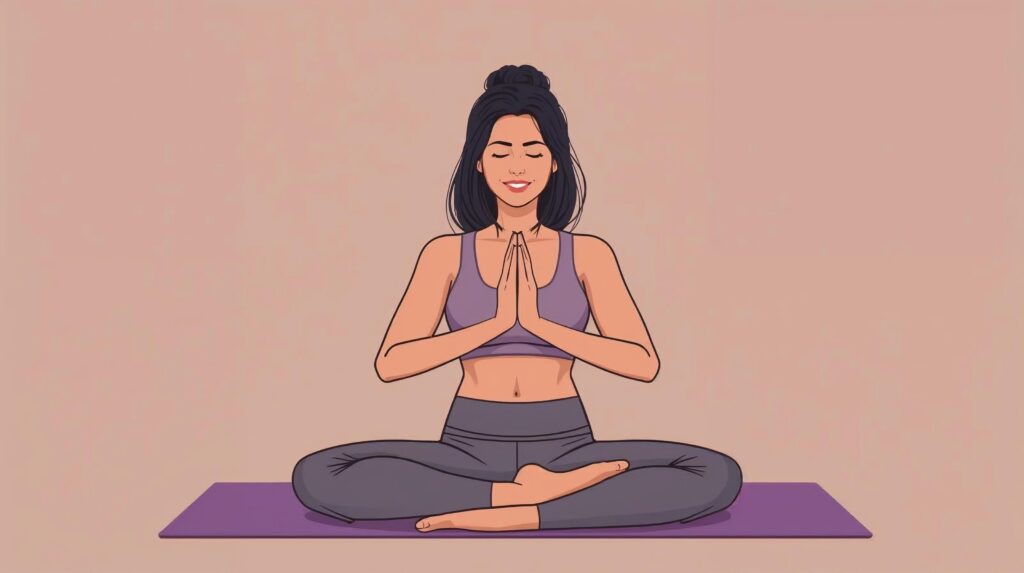
Following childbirth, your body undergoes significant transformations — both internally and externally. One area that requires particular attention is your pelvic floor. These muscles provide support for your bladder, uterus, and bowel, and they frequently weaken during pregnancy and delivery. This is why Pelvic Floor After Pregnancy is crucial. It aids in your recovery, enhances bladder control, supports your posture, and increases your self-assurance.
This guide will explain the importance of Pelvic floor strengthening after childbirth, outline simple exercises you can perform, and assist you in creating a safe postpartum fitness regimen tailored to your body.
Ready to take your recovery to the next level?
Discover how to combine pelvic floor strengthening with gentle workouts, breathing, and nutrition in our full Postpartum Fitness Plan — your complete guide to healing and rebuilding confidence after childbirth.
Understanding the Pelvic Floor and Its Importance

The pelvic floor consists of a collection of muscles and tissues located at the base of your pelvis. You can envision it as a small hammock that supports your internal organs. Throughout pregnancy, these muscles expand to accommodate your developing baby. During delivery, they stretch even further.
When the pelvic floor weakens, it can lead to issues such as:
- Bladder leaks or incontinence
- Lower back discomfort
- Poor posture
- A sensation of heaviness in the pelvic region
This is why initiating Pelvic floor strengthening after childbirth is one of the most effective measures to safely restore your strength.
Benefits of Pelvic Floor Postpartum Exercises
| Benefit | Why It Matters |
| Improves bladder control | Reduces accidental leaks when sneezing, laughing, or lifting |
| Supports faster recovery | Helps restore muscle strength and flexibility |
| Reduces pelvic pain | Stabilizes your core and lower back |
| Improves posture | Keeps your spine aligned and balanced |
| Boosts confidence | Makes you feel stronger and more in control |
| Supports intimacy | Strengthened muscles can improve comfort during sex |
When to Initiate Pelvic Floor Postpartum Exercises
Most mothers can commence gentle pelvic floor exercises shortly after giving birth — even within the initial few days if there are no complications. However, if you underwent a C-section or experienced any tears during delivery, it is advisable to consult your physician before beginning.
Start with light exercises such as breathing and muscle awareness. Gradually increase the intensity over time. Always pay attention to your body and cease if you experience any discomfort or pain.
Optimal Exercises for Strengthening the Pelvic Floor Post-Birth
1. Pelvic Floor Contractions (Kegels)
This is the most recognized and effective exercise for postpartum recovery.
How to perform it:
- Sit or lie down comfortably.
- Engage the muscles you would use to halt urination.
- Hold for 3–5 seconds, then relax.
- Repeat 10–15 times.
Tip: Avoid holding your breath while performing Kegels — maintain normal breathing.
2. Deep Breathing with Core Engagement
Breathing exercises are excellent for gentle pelvic activation and relaxation.
How to perform it:
- Sit or lie down.
- Inhale deeply into your abdomen.
- As you exhale, gently draw your pelvic muscles inward and upward.
- Repeat 10 times.
This exercise links your breathing with your core muscles, aiding in your pelvic floor recovery after childbirth.
3. Bridge Pose (Hip Lifts)
This exercise simultaneously strengthens your glutes, core, and pelvic floor.
How to perform it:
- Lie on your back with your knees bent and feet flat on the ground.
- Engage your pelvic muscles.
- Gradually lift your hips towards the ceiling.
- Hold for 3 seconds, then lower back down.
Repeat 10–12 times for one set. This movement also enhances blood circulation to your pelvic region.
4. Squats for Postpartum Recovery
Squats are effective for toning your legs, enhancing your core strength, and engaging your pelvic muscles.
How to perform:
- Stand with your feet positioned shoulder-width apart.
- Lower your body as if you are about to sit on a chair.
- Maintain a straight back and contract your pelvic muscles.
- Return to the standing position.
Begin with 10 slow squats, prioritizing proper form over speed.
5. Pelvic Tilts
Pelvic tilts are beneficial for alleviating lower back pain and gently fortifying your core.
How to perform:
- Lie on your back with your knees bent.
- Press your lower back against the floor by engaging your core.
- Hold this position for 5 seconds before releasing.
- Repeat this exercise 10–15 times.
This exercise is ideal for beginners concentrating on strengthening the pelvic floor after childbirth.
How Often Should You Do Pelvic Floor Exercises?

To achieve optimal results, aim to incorporate pelvic floor exercises 3–4 times per week. You may also perform some gentle movements daily, as they are quick and can easily be integrated into your regular routine.
Here is a straightforward schedule to adhere to:
| Day | Exercises | Duration |
| Monday | Kegels + Breathing | 10 minutes |
| Tuesday | Bridge Pose + Squats | 15 minutes |
| Wednesday | Rest or light walk | — |
| Thursday | Pelvic Tilts + Core breathing | 10 minutes |
| Friday | Full Routine | 20 minutes |
| Weekend | Rest and stretching | — |
Suggestions for a Safe Pelvic Floor Recovery Following Childbirth

- Always begin gradually and concentrate on maintaining proper form.
- Refrain from holding your breath — breathe in a natural manner.
- Ensure your bladder is emptied prior to performing pelvic exercises.
- Avoid excessive exertion; too much pressure may lead to discomfort.
- Exercise patience — recovery requires time, but consistency yields results.
When to Request Assistance
Should you encounter pain, leakage that does not improve, or a sensation of pelvic heaviness, seek advice from a postpartum physiotherapist or physician. A professional can assist you in identifying specific weaknesses and guide you through a safe recovery regimen.
There is no stigma in asking for help — postpartum recovery varies for each individual.
The Role of Pelvic Floor Strengthening in a Postpartum Fitness Regimen
Your postpartum fitness regimen ought to encompass a mix of gentle cardiovascular activities, core recovery, and pelvic floor exercises. As your body recuperates, you may incorporate additional activities such as yoga, stretching, and light resistance training.
Keep in mind: your objective is to achieve long-term strength and health, rather than immediate results.
Ready to take your recovery to the next level?
Discover how to combine pelvic floor strengthening with gentle workouts, breathing, and nutrition in our full Postpartum Fitness Plan — your complete guide to healing and rebuilding confidence after childbirth.
Key Research & Studies on Pelvic Floor After Pregnancy

1. Recovery of Pelvic Floor Muscle Strength and Endurance 6 and 12 Months Postpartum
- A prospective cohort study monitoring pelvic floor muscle (PFM) strength and endurance for up to one year following delivery. PubMed
2. Effect of Pelvic Floor Muscle Training (PFMT) During Pregnancy and After Childbirth on Urinary Incontinence
- A systematic review of randomized controlled trials (RCTs) indicating that PFMT is effective in both the prevention and treatment of urinary incontinence when performed diligently. PubMed
3. Pelvic Floor Muscle Training with Biofeedback After Childbirth
- A recent systematic review (2023) comparing PFMT with and without physiotherapist-led feedback or biofeedback, demonstrating greater improvements when biofeedback or therapist guidance is utilized. BioMed Central
4. How Effective Are Pelvic Floor Muscle Training Programs After Birth?
- A Cochrane review assessing the effectiveness of PFMT; it encompasses numerous trials and provides evidence-based recommendations. Cochrane
5. Impact of Exercising on Pelvic Floor Function & Diastasis Recti After Pregnancy
- A longitudinal prospective study indicating that low-impact exercise postpartum is linked to enhanced pelvic floor strength and decreased abdominal separation. OUP Academic
6. Pelvic Floor Strengthening After Obstetric Anal Sphincter Injury (OASIS)
- Investigated pelvic floor function in women who experienced OASIS; discovered that consistent pelvic floor strengthening enhances contraction strength over time. PubMed
7. Combined Aerobic & Resistance Training for Postpartum Women with Pelvic Floor Dysfunction
- A 10-week exercise intervention study (2025) revealing that the combination of aerobic and resistance training improves both fast- and slow-twitch pelvic floor muscle fibers. MDPI
8. Clinical Guidelines for Postpartum Pelvic Floor Rehabilitation
- A guideline/review providing recommendations on rehabilitation protocols for postpartum pelvic floor and abdominal muscles, highlighting the importance of early yet supervised training. PubMed
Conclusion: Establishing a Stronger Foundation for Your Recovery
Strengthening the Pelvic Floor After Pregnancy is a crucial aspect of healing and reconstructing your body. By commencing gently, maintaining consistency, and attuning to your body, you will enhance your strength, confidence, and overall well-being.
Your recovery journey requires time, but every small effort is significant. Remain patient, be kind to yourself, and acknowledge your progress — one breath, one movement at a time.
FAQs
1. When should I start pelvic floor exercises after birth?
You can start gentle exercises within a few days if your doctor allows it.
2. How long does it take to see results?
With regular practice, you can notice improvement in 4–6 weeks.
3. Can I do pelvic floor exercises after a C-section?
Yes, but wait for your doctor’s approval before beginning.
4. How to Tighten your pelvic floor muscle after child birth?
Begin with diaphragmatic breathing, rather than aggressive Kegels.
Postpartum Pelvic Floor Protocol (Weeks 1-12):
Weeks 1-6: Engage in deep belly breaths (the pelvic floor descends upon inhalation)
Weeks 6-12: Implement gentle activations (10-second holds, complete relaxation)
Week 12+: Focus on progressive strengthening
Rationale for variation: Pregnancy affects coordination—80% of new mothers experience hypertonic tight muscles that require lengthening as a priority.
5. What happens if I skip these exercises?
Weak pelvic muscles can cause back pain, leakage, and slower recovery.