
Recovering from a C-section involves both physical and emotional aspects, and your dietary choices significantly influence the speed and effectiveness of your healing process. Understanding “what to eat after c section for fast recovery” can aid in minimizing inflammation, rebuilding strength, enhancing milk production, and replenishing your energy during the challenging initial weeks with your newborn.
Rather than adhering to rigid diets, the focus should be on nourishing your body with healing, nutrient-rich foods that facilitate tissue repair, enhance digestion, and strengthen immunity. This guide will provide you with detailed information on the foods that promote quicker recovery after a C-section and how to create simple, balanced meals that empower you to feel stronger each day.
Understanding the Significance of what to Eat after C-Section for fast Recovery

Following childbirth, your body requires additional nutrients to recover and rebuild. The postpartum diet supplies vital vitamins, minerals, and proteins that assist your body in healing more rapidly. It also aids in hormone balance, combats fatigue, and supports mental health — which is equally important as physical recovery.
Transitioning to nutritious eating after childbirth does not simply means dieting or restrictions. Rather, it focuses on nourishment, hydration, and consistent energy for your new responsibilities as a mother.
The Importance of a Balanced Postpartum Diet
A well-structured postpartum diet plan benefits your body in various ways:
Rebuilds strength and facilitates muscle recovery.
Encourages milk production for breastfeeding mothers.
Alleviates fatigue and assists in managing mood fluctuations.
Promotes healthy, gradual weight management.
Enhances immunity and helps avert postpartum infection
Key Nutrients to Include in Your Postpartum Diet Plan
| Nutrient | Role in Recovery | Food Sources |
| Protein | Repairs tissues, supports milk production | Eggs, chicken, lentils, yogurt |
| Iron | Prevents fatigue and anemia | Spinach, red meat, beans |
| Calcium | Strengthens bones and teeth | Milk, cheese, tofu, sesame seeds |
| Omega-3 Fatty Acids | Supports brain and heart health | Salmon, flaxseeds, walnuts |
| Vitamin C | Boosts immunity and collagen repair | Citrus fruits, berries, bell peppers |
| Fiber | Prevents constipation | Whole grains, fruits, vegetables |
| Hydration | Maintains energy and milk flow | Water, herbal teas, soups |
Optimal Foods for a Nutritious Postpartum Diet Plan
Selecting appropriate foods can enhance recovery and maintain your energy levels throughout the day.
1. Foods High in Protein
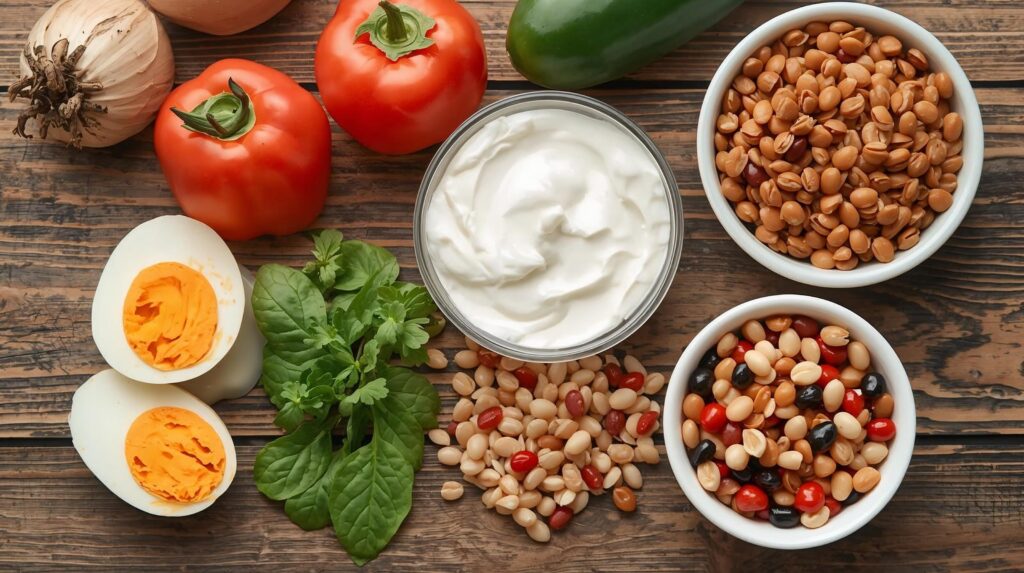
Protein is essential for tissue repair and milk production. Incorporate items such as:
1. Boiled eggs
2. Chicken breast
3. Greek yogurt
4. Lentils and beans
2. Foods Rich in Iron
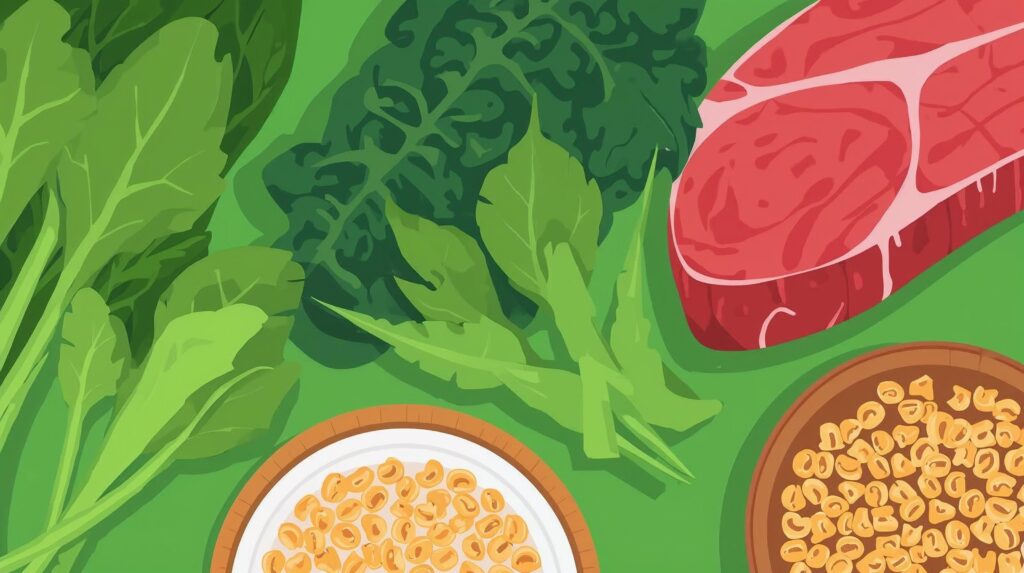
Iron is crucial for preventing fatigue and aiding in the production of red blood cells. Consider:
1. Spinach and kale
2. Lean red meat
3. Fortified cereals
3. Calcium and Vitamin D
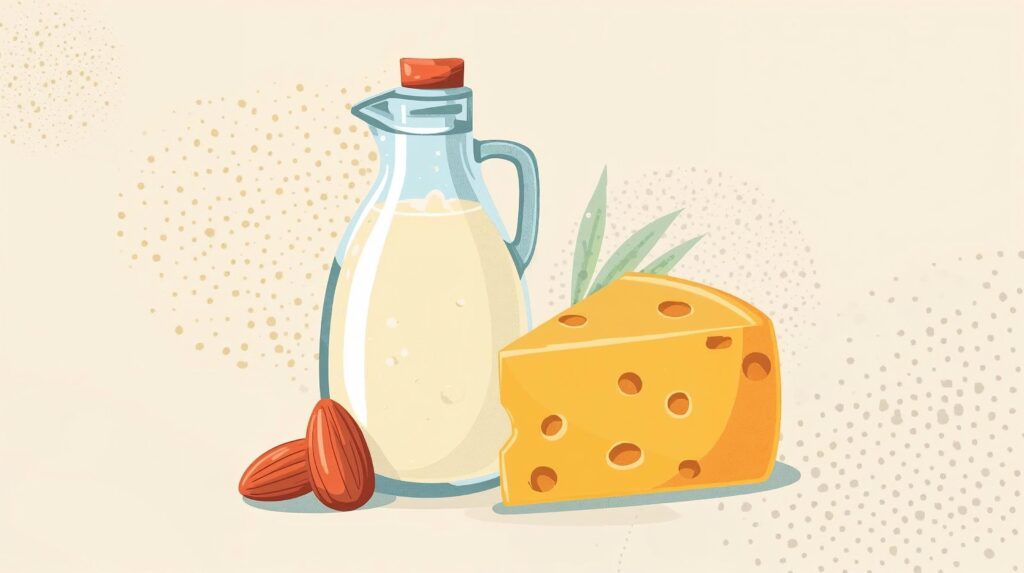
These nutrients are vital for the development of strong bones and teeth for both you and your infant.
1. Milk and cheese
2. Almonds
3. Fortified plant-based milks
4. Beneficial Fats
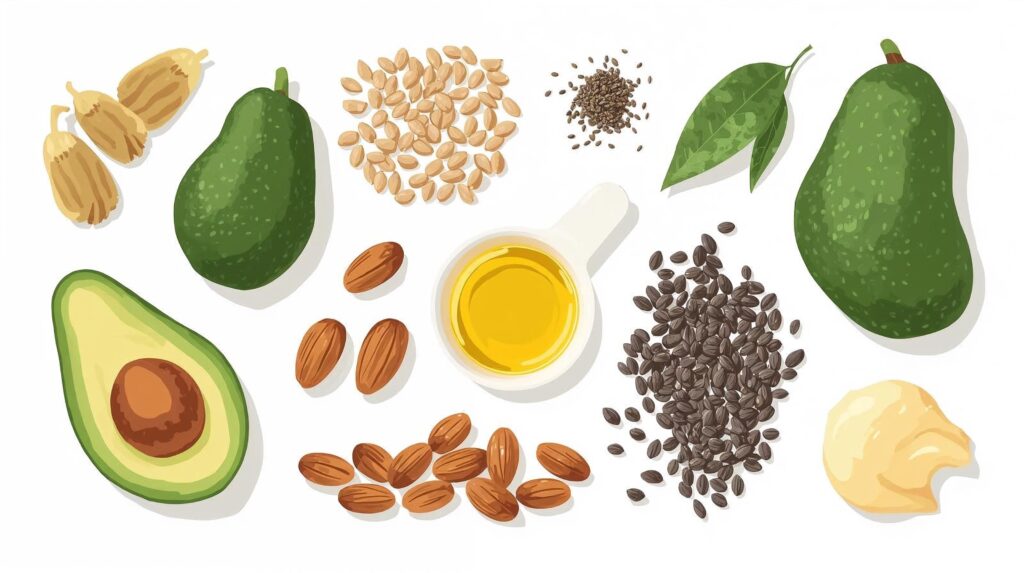
Healthy fats contribute to hormonal balance and cognitive health. Include:
1. Avocados
2. Nuts and seeds
3. Olive oil or ghee
5. Fiber and Hydration
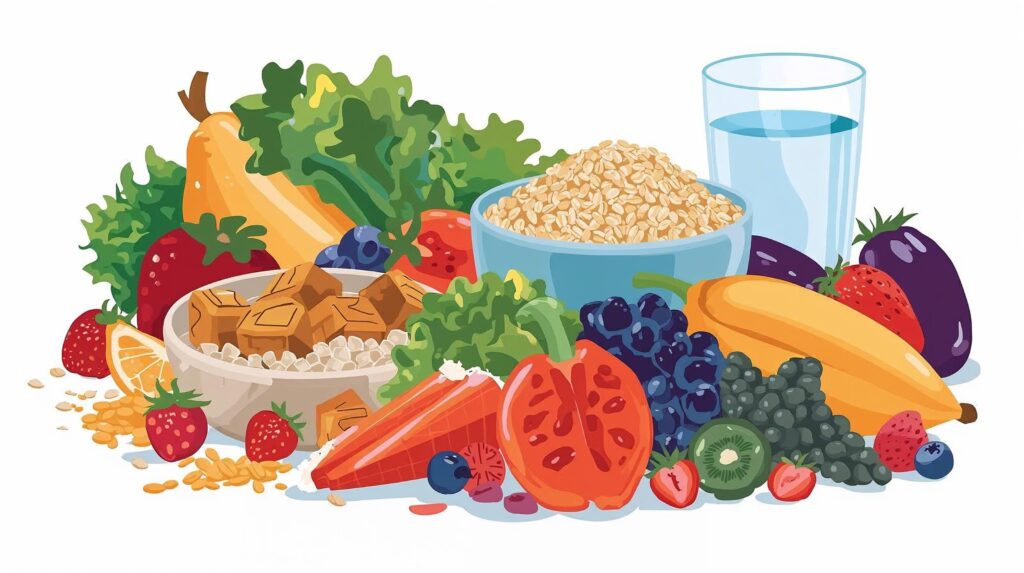
To avoid constipation and support digestion:
1. Whole grains such as oats and quinoa
2. Fresh fruits and vegetables
3. Adequate water intake
Sample One-Day Diet Plan (what to eat after c section for fast recovery)
| Meal Time | Food Suggestions |
| Early Morning | Warm water with lemon or herbal tea |
| Breakfast | Oatmeal with fruits and nuts + a glass of milk |
| Mid-Morning Snack | A banana or handful of almonds |
| Lunch | Grilled chicken or lentil curry with brown rice and veggies |
| Evening Snack | Smoothie with spinach, yogurt, and flaxseed |
| Dinner | Vegetable soup, quinoa, and steamed fish or tofu |
| Before Bed | Warm milk or chamomile tea |
Guidelines for Adhering to a Postpartum Diet Plan
- Begin gradually and incorporate new foods slowly.
- Ensure adequate hydration—water is essential for recovery and milk production.
- Eat smaller, more frequent meals to sustain energy levels.
- Refrain from skipping meals, particularly during breastfeeding.
- Minimize the intake of processed foods, sugary treats, and caffeine.
- Pay attention to your body—consume food when hungry and take breaks when necessary.
Foods to Avoid in a Postpartum Diet Plan
Certain foods may lead to discomfort or diminish milk quality. It is advisable to steer clear of:
- Spicy and greasy foods (can disturb digestion)
- Excessive caffeine or alcohol (impacts hydration and sleep quality)
- Highly processed snacks (provide minimal nutritional value)
- Sugary beverages (contribute empty calories)
Postpartum Diet and Exercise Connection
An effective postpartum diet plan is most beneficial when combined with gentle exercise. Together, they:
- Enhance metabolism and energy levels
- Promote mental well-being
- Fortify muscles and joints
- Assist in safely managing postpartum weight
Begin with light stretches or brief walks prior to transitioning to a structured postpartum fitness regimen. Always seek your doctor’s advice before starting any new program.
For complete guidance about Postpartum Fitness Plan
Top Research & Medical References on Postpartum Nutrition
1. ACOG – Nutrition During the Postpartum Period
The American College of Obstetricians and Gynecologists provides insights into the caloric requirements during the postpartum phase, nutrition for breastfeeding, hydration, and essential nutrient priorities.
2. CDC – Postpartum Nutrition for Breastfeeding Mothers
Offers comprehensive guidance on daily nutrient requirements, hydration, weight management, and safe food selections.
3. WHO – Postnatal Care Guidelines (Nutrition Included)
The World Health Organization delineates evidence-based nutritional necessities for women in the postpartum stage.
4. Academy of Nutrition & Dietetics – Postpartum Nutrition Guidance
Discusses the composition of a balanced diet, micronutrient needs, and dietary patterns conducive to recovery.
5. “Nutrition Requirements During Lactation” – National Academies Press
A highly esteemed scientific publication detailing energy requirements, protein necessities, micronutrients, and dietary patterns for women during the postpartum and breastfeeding periods.
6. “Postpartum Iron Deficiency and Nutritional Recommendations” – PubMed Review
Examines iron deficiency following childbirth and presents evidence-based dietary strategies.
7. “Role of Maternal Diet in Postpartum Depression” – Systematic Review
Demonstrates the impact of diet quality on mental health and recovery post-childbirth.
8. “Nutritional Status & Weight Retention After Pregnancy” – American Journal of Clinical Nutrition
Investigates the influence of diet quality on postpartum weight, energy levels, and long-term health outcomes.
9. Harvard T.H. Chan School of Public Health – Postpartum Diet Recommendations
Covers nutrient-rich diets, management of postpartum weight, and nutrition for recovery.
10. La Leche League – Postpartum Diet & Breastfeeding Nutrition
Provides evidence-based guidelines for mothers, emphasizing healing and milk production.
Research-Specific References
1. Protein Requirements for Recovery (Study)
Postpartum, women require higher protein levels to facilitate tissue repair and support milk production.
2. Omega-3 (DHA) and Postpartum Recovery (Study)
Intake of DHA has been associated with enhanced mood, improved healing, and decreased inflammation.
3. Micronutrient Shortages After Childbirth (Study)
Numerous women face deficiencies in iron, B12, and vitamin D, which are crucial for recovery.
Final Thoughts on What to eat after C-section for fast recovery
A nutritious postpartum diet is essential for recovery. It aids in healing, increases strength, and helps manage the challenges of motherhood. Keep in mind, this is not merely about dieting—it focuses on nourishment and achieving balance. With appropriate foods, adequate rest, and proper care, your body will express gratitude.
FAQs
1. When should I start a postpartum diet plan?
You can start eating balanced, nutrient-rich meals as soon as you feel ready after childbirth.
2. Can I follow this diet while breastfeeding?
Yes! This plan supports milk production and provides essential nutrients for you and your baby.
3. How much water should I drink daily?
Aim for 8–10 glasses a day, especially if you’re breastfeeding.
4. Are supplements necessary after childbirth?
Sometimes, yes. Your doctor may suggest iron, calcium, or multivitamins depending on your needs.
5. How long should I follow a postpartum diet plan?
Ideally, for at least 6 months after childbirth—or longer for lasting health benefits.