
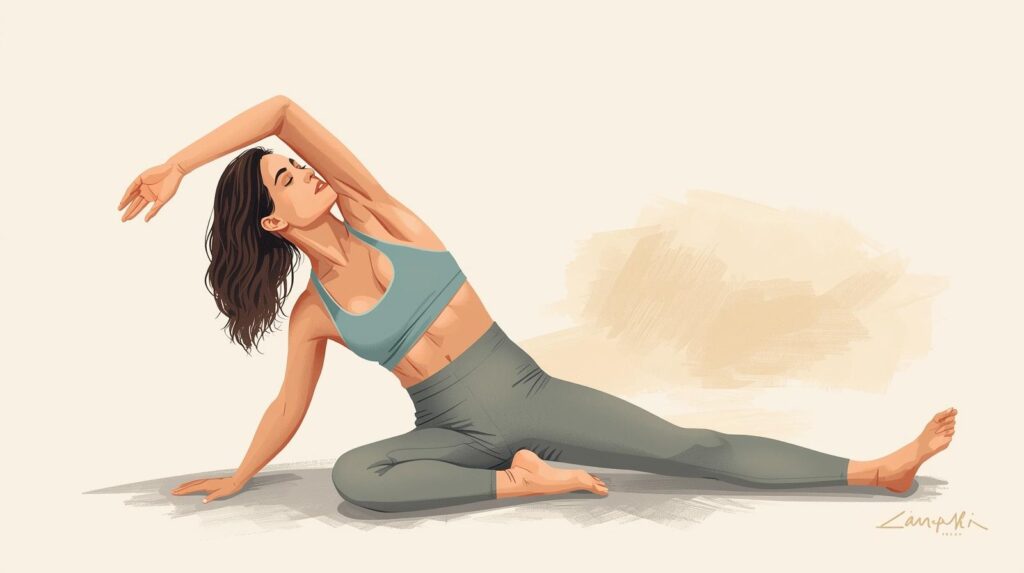
What Is a Groin Stretch and Why It Matters After Pregnancy
The postpartum groin stretch is a gentle flexibility exercise aimed at the inner thigh muscles (adductors) and aids in hip mobility following pregnancy. Throughout pregnancy, the body naturally adjusts to accommodate the developing baby. The hips expand, ligaments become more flexible, and the pelvic region experiences heightened stress. Consequently, numerous women encounter tightness, discomfort, or diminished mobility in the groin and hip areas after giving birth.
A routine of postpartum groin stretches assists in alleviating tension in these muscles and reinstating natural movement patterns. This is particularly crucial for new mothers who spend extended periods seated while nursing their baby or carrying their child, which can result in stiffness in the inner thighs and hips.
The groin muscles are essential for stabilizing the pelvis and facilitating lower body movement. When these muscles are tense, they may lead to lower back pain, poor posture, and discomfort during everyday activities such as walking, bending, or lifting your baby.
This stretch pairs well with our [low impact postpartum exercises], assisting you in developing a safe and balanced recovery routine. For a comprehensive plan that includes guided stretches and strength exercises, you may wish to explore our [Postpartum Fitness Program] specifically designed for new mothers.
9 Benefits of Groin Stretch Postpartum

The postpartum groin stretch is a straightforward yet highly beneficial exercise that aids new mothers in regaining flexibility, alleviating muscle tension, and enhancing overall mobility following pregnancy.
Below are nine significant advantages of incorporating this stretch into your postpartum regimen:
1. Improves Inner Thigh Flexibility
Pregnancy often leads to tightness in the inner thighs due to decreased activity and changes in posture. Engaging in a postpartum groin stretch gently elongates these muscles and restores their flexibility.
2. Reduces Groin and Hip Tightness
Extended periods of sitting, nursing, or carrying your infant can result in stiffness. This stretch effectively releases tension in the groin and hip regions, facilitating more comfortable movement.
3. Supports Pelvic Alignment
The groin muscles are crucial for stabilizing the pelvis. Consistent postpartum groin stretching exercises contribute to improved alignment and lessen strain on adjacent muscles.
4. Relieves Lower Back Discomfort
Tightness in the inner thighs can negatively impact posture and lead to lower back pain. Stretching the groin area alleviates this tension and promotes better spinal alignment.
5. Enhances Blood Circulation
Stretching enhances blood flow to the pelvic and hip areas, which aids in tissue healing and supports overall recovery during the postpartum period.
6. Improves Mobility for Daily Activities
Incorporating a postpartum groin stretch routine can facilitate everyday movements—such as walking, bending, and lifting your baby—making them easier and more comfortable.
7. Reduces Muscle Stiffness
Hormonal and physical changes experienced during pregnancy can lead to muscle stiffness. Regular stretching helps to relax the muscles and restore their natural movement.
8. Prepares the Body for Exercise
Enhanced flexibility and mobility ease the transition into low-impact postpartum exercises and strength training routines, ensuring safety.
9. Promotes Relaxation and Stress Relief
Stretching promotes deep breathing and relaxation. Spending a few minutes on postpartum groin stretches can help alleviate physical tension and foster a sense of tranquility.
How to Do the Groin Stretch Postpartum (Step-by-Step)

The postpartum groin stretch, commonly referred to as the butterfly stretch, is a gentle and safe method to enhance flexibility in the inner thighs and hips following pregnancy. Adhere to these step-by-step guidelines to execute it properly and comfortably.
Step 1: Sit in an Upright Position
Position yourself on a yoga mat or a soft surface with your legs extended in front of you. Maintain a straight back and relaxed shoulders. If maintaining an upright posture proves challenging, you may lean against a wall for additional support.
Step 2: Bring the Soles of Your Feet Together
Gradually bend your knees and bring the soles of your feet together, allowing your knees to fall outward. Adjust the position of your feet as close to your body as is comfortable for you.
Step 3: Hold Your Feet or Ankles
Wrap your hands around your feet or ankles to stabilize your posture. Ensure your spine remains upright and avoid rounding your back.
Step 4: Gently Lower Your Knees
Permit your knees to naturally descend toward the floor. If you desire a more intense stretch, you may gently press your knees downward with your elbows, but only if it is comfortable for you.
You should experience a mild stretch in your inner thighs and groin area, rather than any pain
Step 5: Hold and Breathe
Sustain the stretch for 20–30 seconds while engaging in slow, deep breathing. Keep your shoulders relaxed and refrain from tensing your body.
Repeat the postpartum groin stretch 2–3 times, based on your comfort level.
Tips for Better Results
- Keep your back straight to maximize the stretch
- Avoid bouncing your knees—move slowly and gently
- Use cushions under your knees if they feel strained
- Start with shorter holds and increase gradually
Postpartum Safety Reminder
- Move slowly and avoid overstretching
- Stop if you feel sharp pain or pelvic discomfort
- Consult your healthcare provider before starting postpartum exercises
Practicing the groin stretch postpartum regularly can help improve flexibility, reduce tightness, and support a smoother recovery after pregnancy.
C-Section Modifications for Groin Stretch Postpartum

Following a C-section, it is essential to provide your body with additional care during the healing process—particularly in the abdominal region. The groin stretch postpartum can still be executed safely; however, it should be adjusted to prevent any strain on your incision and core muscles.
Here is a straightforward guide to assist you in performing the stretch in a comfortable and safe manner:
Modified Groin Stretch Options
| Standard Groin Stretch | C-Section Friendly Modification |
|---|---|
| Sitting upright without support | Sit against a wall or chair for back support |
| Feet close to the body | Keep feet slightly farther away to reduce pressure |
| Deep forward lean | Stay upright to avoid abdominal strain |
| Pressing knees downward | Let knees drop naturally without pressure |
| 30-second hold | Start with 10–15 seconds |
| Floor sitting | Sit on a cushion or pillow for comfort |
Additional Safety Tips
- Move slowly and avoid sudden movements
- Keep your core relaxed—do not engage or strain the abdominal muscles
- Use pillows or yoga blocks under your knees for support
- Focus on a gentle stretch, not maximum flexibility
- Stop immediately if you feel discomfort near your incision
When to Start?
Most women may commence gentle stretching exercises, such as the groin stretch, postpartum approximately 6 to 8 weeks following a C-section; however, it is essential to consult with your healthcare provider prior to initiating any such activities.
Safety Warnings for Groin Stretch Postpartum

The postpartum groin stretch is a gentle yet effective method to enhance flexibility and alleviate tension following pregnancy. However, as your body is still in the healing process, it is crucial to adhere to appropriate safety measures to prevent injury and facilitate recovery.
1. Get Medical Clearance First
Prior to initiating any postpartum groin stretch routine, it is advisable to consult with your healthcare provider. Generally, most women can commence light stretching approximately 4–6 weeks after giving birth, although this may differ based on individual delivery experiences and recovery progress.
2. Avoid Overstretching
Postpartum hormones, such as relaxin, can render your joints more flexible than normal. This heightened flexibility increases the likelihood of overstretching. Always execute the postpartum groin stretch gently and remain within a comfortable range of motion.
3. Cease If You Experience Pain
You should only feel a mild stretch, not pain. If you encounter:
- Sharp pain in the groin or hips.
- Pelvic discomfort.
- Strain in the lower back
Immediately stop the stretch and allow yourself to rest.
4. Exercise Caution with Pelvic Floor Concerns
Should you observe symptoms such as:
- Pelvic heaviness
- Urinary leakage
- Pressure in the pelvic region
Refrain from deep stretching until your pelvic floor has regained strength.
5. Adjust After a C-Section
If you underwent a C-section, it is important to avoid leaning forward or engaging in deep stretching. Instead, utilize a gentle, upright variation of the postpartum groin stretch to safeguard your abdominal area.
6. Refrain from Stretching Too Soon
In the initial weeks following childbirth, your body is still in recovery. Begin with breathing exercises and light movements before advancing to deeper stretches, such as the groin stretch.
7. Utilize Proper Support
Always perform the stretch on a soft surface, like a yoga mat or carpet. Additionally, consider placing cushions beneath your knees for enhanced comfort and support.
8. Pay Attention to Your Body
Each postpartum recovery journey is unique. If the postpartum groin stretch feels uncomfortable or overly intense, lessen the stretch or take a break until your body is prepared.
Authoritative Sources (Postpartum Groin Stretch)

- American College of Obstetricians and Gynecologists – Exercise During Pregnancy & Postpartum
ACOG guidance on safely resuming activity after pregnancy.
- Mayo Clinic – Exercise After Pregnancy: How to Get Started
Mayo Clinic advice on postpartum exercise progression and safety.
- ACOG Infographic – Exercises You Can Do After Pregnancy
ACOG resource with postpartum exercise illustrations and tips.
- Good-Rx – Postpartum Workout Plan Tips
Practical suggestions on easing back into movement post‑birth (ACOG referenced).
Conclusion: Groin Stretch Postpartum
The postpartum groin stretch is a straightforward yet effective exercise that can significantly aid in your recovery following pregnancy. By gently enhancing flexibility in the inner thighs and hips, it alleviates muscle tightness, supports pelvic alignment, and facilitates everyday activities such as walking, bending, and lifting your baby.
For optimal results, pair this stretch with low-impact postpartum exercises to create a well-rounded recovery routine that fosters both flexibility and strength. Consistency, patience, and appropriate care will enable you to progress safely and effectively.
If you are prepared to advance to the next stage, access all stretches in our Postpartum Fitness Program, which is designed to assist new mothers with safe exercises, mobility routines, and strength-building workouts for a comprehensive and confident postpartum recovery.
FAQs (Groin Stretch Postpartum)
Q1. When can I start groin stretch postpartum?
Most women can begin gentle stretching around 4–6 weeks postpartum, but it’s best to consult your doctor first.
Q2. How often should I do a groin stretch postpartum?
You can perform this stretch once or twice daily, especially after light movement or exercise.
Q3. Does groin stretching help with postpartum pain?
Yes. A groin stretch postpartum routine can relieve inner thigh tightness and reduce lower back discomfort.
Q4. Is groin stretch safe after a C-section?
Yes, but it should be modified and performed gently to avoid strain on the abdominal area.
Q5. Can groin stretch improve flexibility after pregnancy?
Absolutely. Regular stretching improves flexibility and supports overall postpartum recovery.