
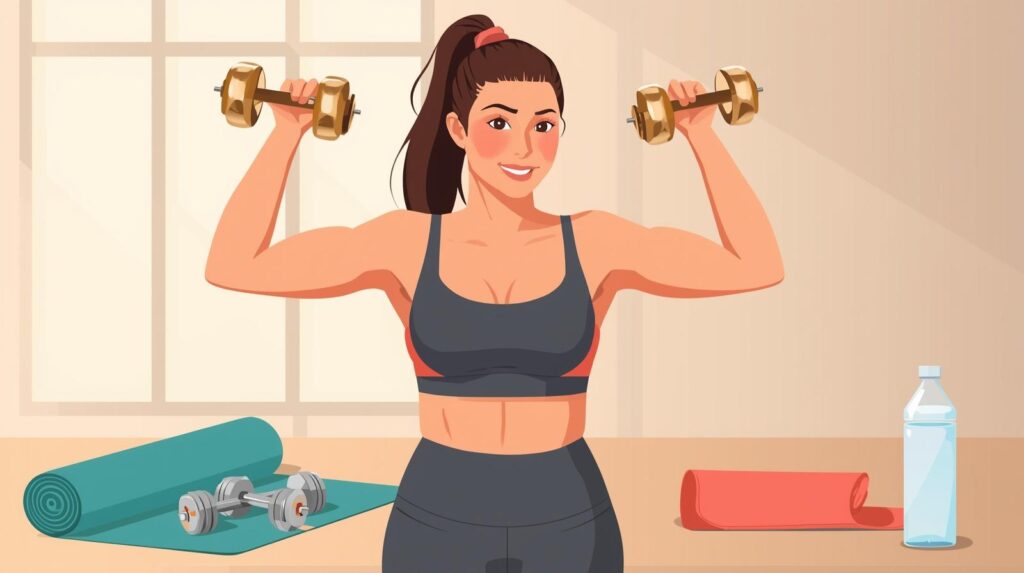
Recovering after childbirth necessitates patience, proper nutrition, and organized physical activity. Consequently, it is crucial to build strength in a safe manner for long-term physical well-being. This is precisely where postpartum strength training plan serves as one of the most effective methods for restoring core stability, rebuilding muscle, enhancing energy levels, and promoting mental health.
Furthermore, when strength training is incorporated into a comprehensive postpartum fitness regimen, it hastens recovery, enhances posture, and enables new mothers to regain strength and confidence in their bodies. This guide offers a thorough, research-supported postpartum strength training program, assisting you in progressing safely from childbirth to full strength.
Why Postpartum Strength Training Matters More Than Ever
Post-pregnancy strength training is not focused on “regaining your pre-baby body.” Rather, it emphasizes:
- Rebuilding weakened muscles
- Enhancing posture for carrying your baby and breastfeeding
- Preparing your body for the daily responsibilities of motherhood
- Alleviating lower back pain
- Enhancing pelvic floor function
- Boosting long-term metabolic rate
As stated by ACOG (American College of Obstetricians and Gynecologists), most women can safely resume strength training gradually after receiving clearance from a healthcare provider. Furthermore, research conducted by WHO and ACE Fitness indicates that engaging in postpartum exercise greatly benefits mental health and diminishes anxiety.
How Postpartum Strength Training Fits Into a Postpartum Fitness Plan
A comprehensive postpartum fitness regimen encompasses:
- Pelvic floor recovery
- Core rehabilitation
- Mobility
- Strength training
- Light cardiovascular activities
- Self-care practices
Consequently, strength training constitutes just one aspect—but a crucial one—of your postpartum recovery process. Its effectiveness is enhanced when complemented by mobility exercises, breathing techniques, and adequate rest.
Postpartum Strength Training Plan: A Week-by-Week Guide

Prior to commencing any postpartum strength training regimen, it is essential to obtain approval from your physician, particularly following a C-section or a complicated delivery.
Weeks 1–2: Foundation + Healing
During this time, the emphasis is placed on recovery instead of intense exercise.
Recommended Exercises:
- Diaphragmatic breathing
- Pelvic floor activation
- Gentle walking (5–10 minutes)
- Light mobility for hips and upper back
Why it matters:
These activities engage your deep core muscles and facilitate initial recovery.
Weeks 3–6: Re-Introduction to Light Strength
Once your physician provides approval, you may incorporate low-intensity strength training
Exercises:
- Glute bridges
- Bird dogs
- Bodyweight squats
- Resistance band pull-aparts
- Cat-cow mobility
- Goals:
- Reconnect with core
- Strengthen glutes
- Enhance posture
Weeks 7–12: Structured Postpartum Strength Training Program
You can now initiate a more structured postpartum strength training regimen.
Sample Routine:
- Dumbbell deadlifts
- Step-ups
- Incline push-ups
- Standing band rows
- Core stabilization (dead bugs, modified planks)
- Frequency:
- 3 days per week
- 20–30 minutes per session
- Benefits:
- Increased strength
- Improved endurance
- Enhanced stability
- Reduction of fatigue
12 Weeks and Beyond: Progressive Strength Building
The body after childbirth is now better prepared for progressive overload.
- Exercise Suggestions:
- Full body training with dumbbells
- Kettlebell exercises (such as deadlifts and suitcase carries)
- Lunges
- Core exercises while standing
- Circuits using resistance bands
Intensity:
Slowly raise the load while consistently paying attention to your body’s signals.
Table: Postpartum Strength Training Schedule (Beginner-Friendly)
| Week | Training Type | Duration | Goals |
| 1–2 | Breathing + Pelvic Floor | 10 min daily | Healing + Activation |
| 3–6 | Light Strength + Mobility | 15–20 min | Rebuilding foundation |
| 7–12 | Structured Strength Program | 20–30 min | Stability + Strength |
| 12+ Weeks | Progressive Strength Training | 30–45 min | Strong body + Endurance |
ASCII Progress Chart: Strength Recovery Over 12 Weeks
Phase Guide:
- Weeks 1–3 → Gentle mobility & pelvic floor activation
- Weeks 4–6 → Light core and low-impact postpartum exercises
- Weeks 7–9 → Beginner strength training and stability work
- Weeks 10–12 → Gradual return to full postpartum strength training
Safety Guidelines for Postpartum Strength Training

Postpartum strength training can assist in rebuilding muscle, enhancing posture, and facilitating overall recovery following pregnancy. Nevertheless, it is crucial to adhere to safe practices to safeguard your body during the healing process. The subsequent guidelines can aid new mothers in commencing strength training in a safe and gradual manner.
1. Obtain Medical Clearance
Prior to commencing any postpartum strength training, it is advisable to consult with your healthcare provider. Generally, most women can initiate gentle exercises after a period of 6 weeks postpartum; however, recovery duration may differ, particularly following a C-section or a complicated delivery.
2. Initiate with Low-Impact Exercises
Commence with low-impact postpartum exercises such as bodyweight movements, light resistance bands, or gentle mobility routines. These exercises are beneficial for rebuilding strength without exerting excessive pressure on the core or pelvic floor.
3. Emphasize Pelvic Floor and Core Activation
The pelvic floor and deep core muscles are crucial for postpartum recovery. Begin with exercises such as:
- Pelvic tilts
- Diaphragmatic breathing
- Gentle core activation
Focusing on strengthening these muscles initially aids in preventing injury and enhances stability during strength training.
4. Gradually Increase Intensity
Slowly elevate the intensity of your workouts. Start with brief sessions (10–15 minutes) and progressively extend to longer workouts as your strength develops. Refrain from heavy lifting in the initial weeks of recovery.
5. Ensure Proper Form
Maintaining correct posture and form is vital during postpartum workouts. Keep your core engaged, spine neutral, and movements controlled to minimize strain on your back and abdominal muscles.
6. Be Aware of Warning Indicators
Cease exercising and seek advice from a healthcare provider if you notice:
- Acute abdominal or pelvic discomfort
- Increased vaginal bleeding following exercise
- A sensation of pressure or heaviness in the pelvic region
- Lightheadedness or severe tiredness
- Abdominal protrusion (potential diastasis recti)
7. Maintain Hydration and Rest as Necessary
Postpartum recovery necessitates sufficient hydration, nutrition, and rest. Pay attention to your body and permit adequate time for recovery between exercise sessions.
8. Incorporate Stretching and Mobility Exercises
Gentle stretching can alleviate muscle tension and enhance flexibility. Including stretches such as those for the hip flexors, glutes, and lower back can aid in overall postpartum strength training.
9. Exercise Patience During Your Recovery
Each postpartum experience is unique. Some women may quickly regain their strength, while others might require additional time. Consistent engagement in safe, low-impact workouts will facilitate a gradual rebuilding of strength.
Nutrition Tips to Support Postpartum Strength Training

Consume for vitality and recuperation:
- Meals abundant in protein
- Foods high in Omega-3
- Beverages that promote hydration
- Iron-rich foods (particularly following blood loss)
- Whole grain products
Snacks suitable for busy mothers
- Greek yogurt
- Almonds
- Smoothies made with fruit
- Toast with peanut butter
Trusted Research & Websites
Here are reliable sources for postpartum recovery:
| Purpose | Website |
|---|---|
| Postpartum exercise guidelines | ACOG.org |
| Global maternal health | WHO.int |
| Exercise safety | ACEfitness.org |
| Pelvic floor support | Herman & Wallace Institute |
| New mom mental health | Postpartum Support International |
Conclusion: Postpartum Strength Training
Postpartum strength training serves as an effective method for new mothers to restore strength, enhance posture, and facilitate overall recovery following pregnancy. By concentrating on gentle movements, appropriate core engagement, and gradual progression, women can safely regain their fitness while safeguarding their pelvic floor and abdominal muscles.
Beginning with low-impact postpartum exercises and light resistance training allows the body to adapt gradually after childbirth. Consistency, patience, and attentiveness to your body’s signals are essential components in achieving sustainable results. As strength increases, you can progressively elevate the intensity of your workouts while ensuring proper form and stability.
It is important to remember that each postpartum recovery journey is unique. Always adhere to medical guidance, prioritize rest and hydration, and refrain from exerting your body too rapidly. With the appropriate approach, postpartum strength training can elevate energy levels, boost physical confidence, and assist new mothers in returning to a healthy and active lifestyle.
If you are prepared to advance in your recovery, consider exploring our low-impact postpartum exercises and following a structured postpartum fitness program tailored to support safe and effective strength rebuilding after pregnancy.
FAQs: Postpartum Strength Training
1. When can I start postpartum strength training?
Most women can begin light training 4–6 weeks postpartum with doctor approval.
2. Is strength training safe after a C-section?
Yes, but only after full clearance from your doctor. Start slowly and avoid heavy core exercises.
3. How often should I strength train postpartum?
2–3 times per week is ideal for beginners.
4. Does strength training affect breastfeeding?
No, it does not harm milk supply. Hydration is essential.
5. What equipment is best for postpartum strength training?
Light dumbbells, resistance bands, a yoga mat, and a stability ball.
6. Can strength training help with diastasis recti?
Yes—but only if done safely with proper core engagement.