
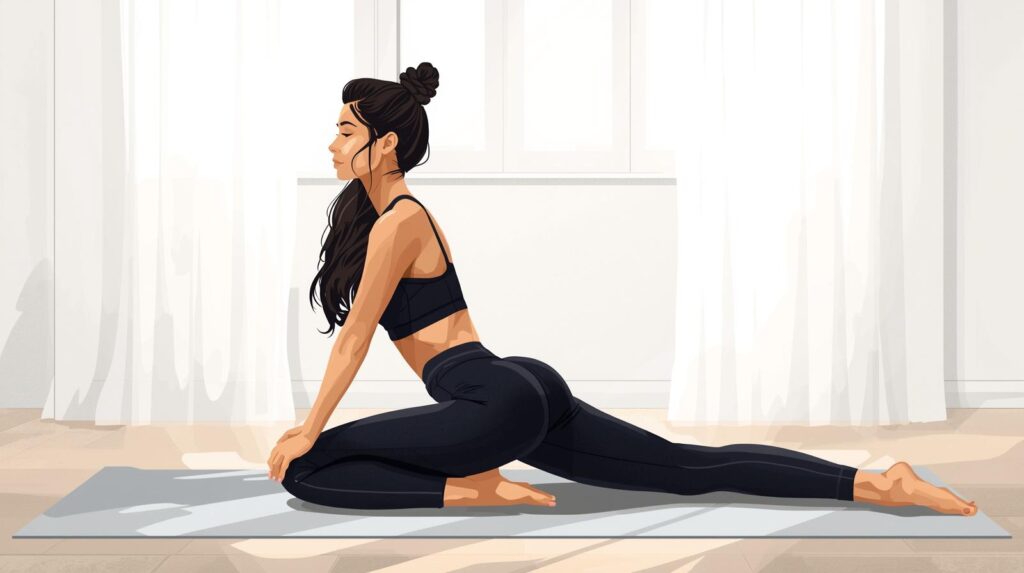
A postpartum glute stretch is a gentle exercise aimed at alleviating tension and enhancing flexibility in the gluteal muscles following pregnancy. Throughout pregnancy, the body undergoes numerous physical transformations. As the abdomen expands, posture alters, the hips experience slight rotation, and the glute muscles frequently become tight or weakened.These alterations can lead to discomfort in the lower back, hips, and pelvis after childbirth.
The gluteal muscles are crucial for maintaining posture, stabilizing the pelvis, and safeguarding the lower back. However, post-delivery—particularly if you have spent extended periods sitting while nursing or caring for your infant—these muscles may feel rigid and inactive. Engaging in a straightforward postpartum glute stretch routine can assist in alleviating this tension and gradually restoring muscle functionality.
Additionally, stretching the glutes contributes to postpartum fitness recovery by enhancing circulation and mobility in the hip region. When paired with gentle movement routines such as [Low Impact Postpartum Exercises], glute stretches can enable new mothers to move more comfortably and safely regain strength.
Another advantage of performing a postpartum glute stretch is that it prepares your body for future workouts. Flexible and activated glutes enhance balance, decrease the risk of injury, and facilitate strength training when you are prepared to advance further.
If you are embarking on your recovery journey, mastering proper stretching techniques is an excellent initial step. Numerous guided routines and recovery programs—like the [Postpartum Fitness Program]—feature targeted stretches that aid in restoring muscle balance after pregnancy.
9 Benefits of Glute Stretch Postpartum

Practicing a glute stretch postpartum regularly offers several benefits for new mothers during recovery:
- Releases Pelvic Floor Tension: Tension in the pelvic floor is exacerbated by tight glutes, which can lead to increased incontinence and prolapse.
- Improves Hip Mobility: It helps to regain the range of motion that may have been lost due to changes in weight during pregnancy.
- Reduces Lower Back Pain: The glutes play a crucial role in stabilizing the pelvis, thereby preventing compensation in the lumbar region.
- Prevents “Mom Butt”: This approach counteracts the flattening and inhibition of the glutes caused by pregnancy hormones.
- Supports Diastasis Recti Healing: Proper activation of the glutes helps to alleviate abdominal pressure, aiding in the healing process.
- Enhances Walking Posture: It restores the natural gait that may have been altered due to shifts in the pelvis.
- Boosts Circulation: This practice helps to diminish swelling in the hips and legs that can occur from fluid retention postpartum.
- Prepares for Squats: It is essential to engage in this practice before advancing to low-impact postpartum exercises.
- Mental Health Boost: Opening the hips can facilitate the release of stored trauma and emotional tension.
When integrated with gentle practices such as [Low Impact Postpartum Exercises], glute stretching can play a crucial role in a well-rounded postpartum recovery strategy.
How to Do the Glute Stretch (Step-by-Step)
Adhere to these straightforward instructions to safely execute a glute stretch after childbirth.
Step 1: Begin in a Comfortable Position
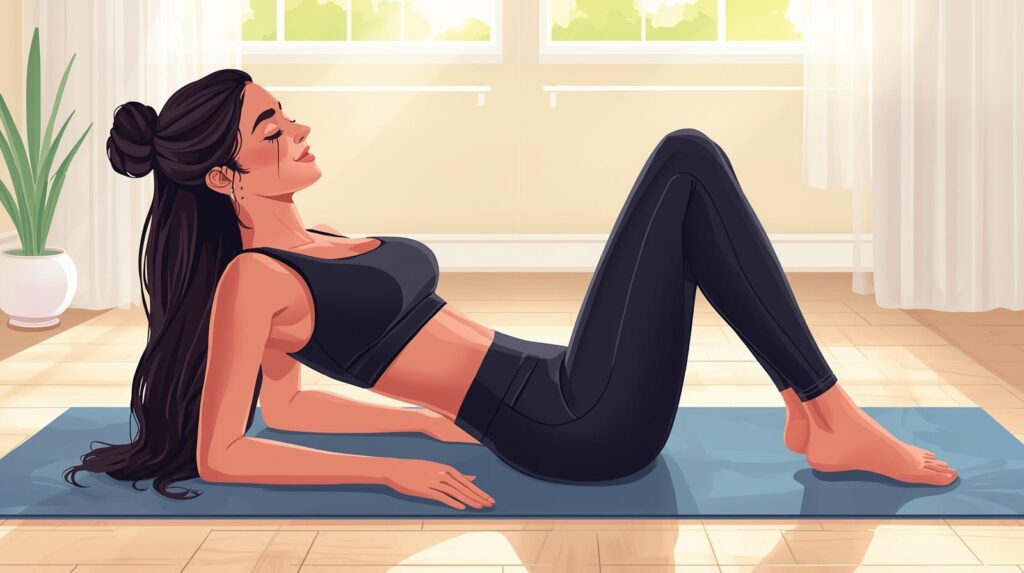
Recline on your back on a yoga mat or a soft surface, ensuring your knees are bent and your feet are flat against the floor.
Step 2: Cross One Leg Over the Other
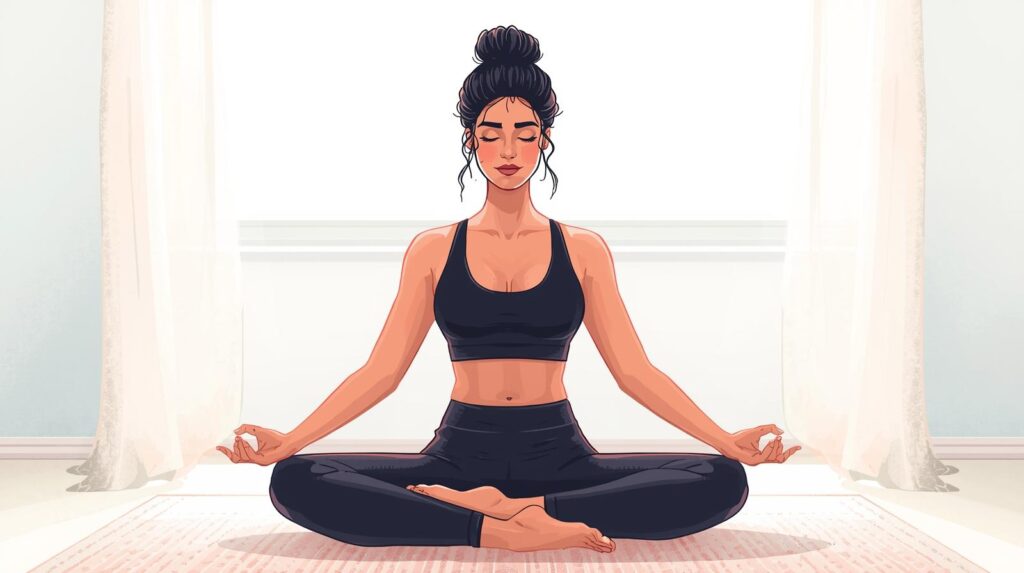
Position your right ankle over your left knee, forming a figure-four shape.
Step 3: Grasp Behind the Supporting Leg
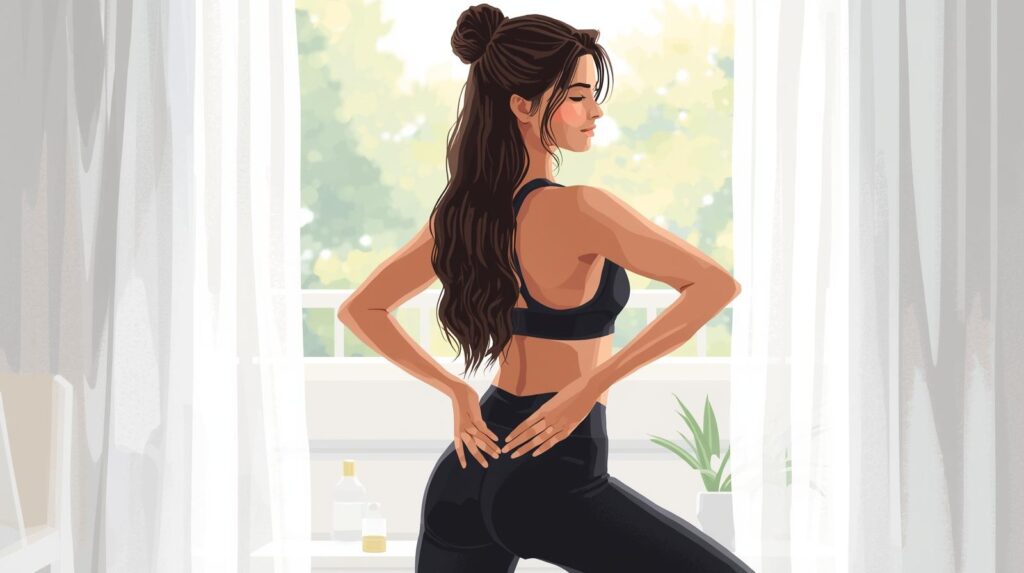
Gently hold the back of your left thigh with both hands.
Step 4: Draw Toward Your Chest

Gradually pull your left leg toward your chest until you experience a mild stretch in your gluteal muscles.
Step 5: Maintain and Alternate Sides
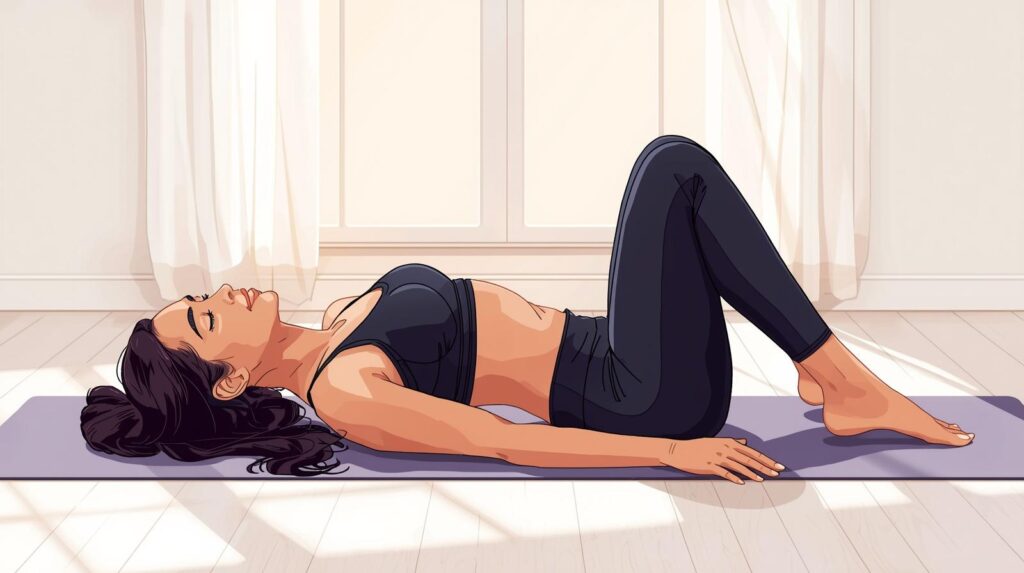
Sustain the stretch for 15–30 seconds, take deep breaths, and then alternate to the other side.
Repeat this movement 2–3 times on each side. This gentle glute stretch is a postpartum exercise that can be incorporated into your daily recovery routine.
C-Section Modifications
Women who are recovering from a C-section may need to alter their stretches to prevent abdominal strain. The table below illustrates safe modifications.
| Standard Stretch | C-Section Modification |
|---|---|
| Lying figure-four stretch | Perform seated on a chair |
| Pulling leg toward chest | Use a towel or strap for support |
| Deep stretch hold | Start with a gentle stretch only |
| Floor exercise | Perform on a soft bed or cushion |
| 30-second hold | Begin with 10–15 seconds |
Always move slowly and avoid any movement that causes pain near the incision area.
Safety Warnings for Glute Stretch Postpartum
To safely engage in glute stretch exercises after childbirth, it is essential to consider the following precautions:
- Always seek advice from your healthcare provider prior to initiating postpartum exercises.
- Refrain from stretching if you experience sharp pain or discomfort.
- Avoid overstretching your hips during the initial recovery phase.
- Begin with brief hold times and progressively extend the duration.
- Cease immediately if you experience pelvic pressure or dizziness.
- Maintain slow and controlled movements.
- Steer clear of deep stretches if you have recently undergone a C-section.
Adhering to these safety guidelines will ensure that your postpartum glute stretch routine aids in healing rather than inducing strain.
Authoritative Sources (Postpartum Glute Stretch)

- American College of Obstetricians and Gynecologists – Exercise During Pregnancy & Postpartum
ACOG guidance on safely resuming activity after pregnancy.
- Mayo Clinic – Exercise After Pregnancy: How to Get Started
Mayo Clinic advice on postpartum exercise progression and safety.
- ACOG Infographic – Exercises You Can Do After Pregnancy
ACOG resource with postpartum exercise illustrations and tips.
- Good-Rx – Postpartum Workout Plan Tips
Practical suggestions on easing back into movement post‑birth (ACOG referenced).
Conclusion
Recovering from pregnancy requires time, patience, and gentle movement. Incorporating a glute stretch routine into your daily postpartum recovery plan can enhance flexibility, alleviate muscle tightness, and promote better posture while you care for your baby.
Even dedicating just a few minutes to stretching each day can significantly improve your comfort and mobility. When paired with gentle routines such as [Low Impact Postpartum Exercises], these stretches prepare your body for more advanced fitness activities.
If you are seeking a comprehensive recovery plan that includes guided workouts, stretching routines, and safe postpartum exercises, consider exploring our [Postpartum Fitness Program]. This program offers structured support to assist new mothers in rebuilding strength, enhancing mobility, and safely returning to an active lifestyle.
Frequently Asked Questions
When can I start glute stretch postpartum exercises?
Most women may start gentle stretching approximately 4 to 6 weeks after giving birth, but it is essential to verify this with your healthcare provider.
How often should I do a glute stretch postpartum?
You can safely engage in the stretch once or twice a day, particularly following light physical activity.
Does glute stretching help relieve postpartum back pain?
Indeed. Tight glute muscles frequently lead to discomfort in the lower back. Incorporating a glute stretch routine after childbirth can alleviate this tension and enhance posture.
Is this stretch safe after a C-section?
Yes, however, it should be adjusted and executed gently until the incision has completely healed.
Can glute stretching help prepare for postpartum workouts?
Certainly. Flexible glutes facilitate improved movement patterns and ease the transition into [Low Impact Postpartum Exercises] and strength training routines in the future.