
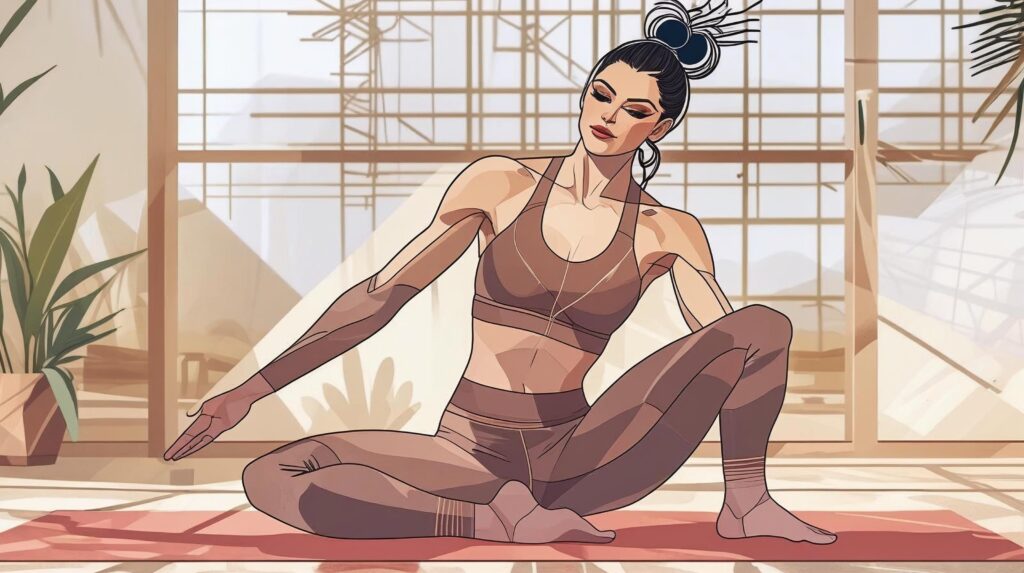
Stretching is a straightforward yet impactful component of a Women’s Daily Wellness Routine — and it is frequently neglected. A regular Daily Stretching Routine for Women enhances flexibility, alleviates muscle tension, improves circulation, and promotes both physical and emotional health. With a minimal investment of time, you can significantly enhance your body’s mobility and establish a foundation for physical fitness and mental tranquility.
Whether you are entirely new to physical activity or returning after a hiatus, this guide provides you with a Beginner stretching routine for women, a comprehensive Full body stretching routine for women, evidence-based benefits, sample plans, and advice to assist you in stretching safely and effectively on a daily basis.
Why Stretching Is Important for Women’s Wellness
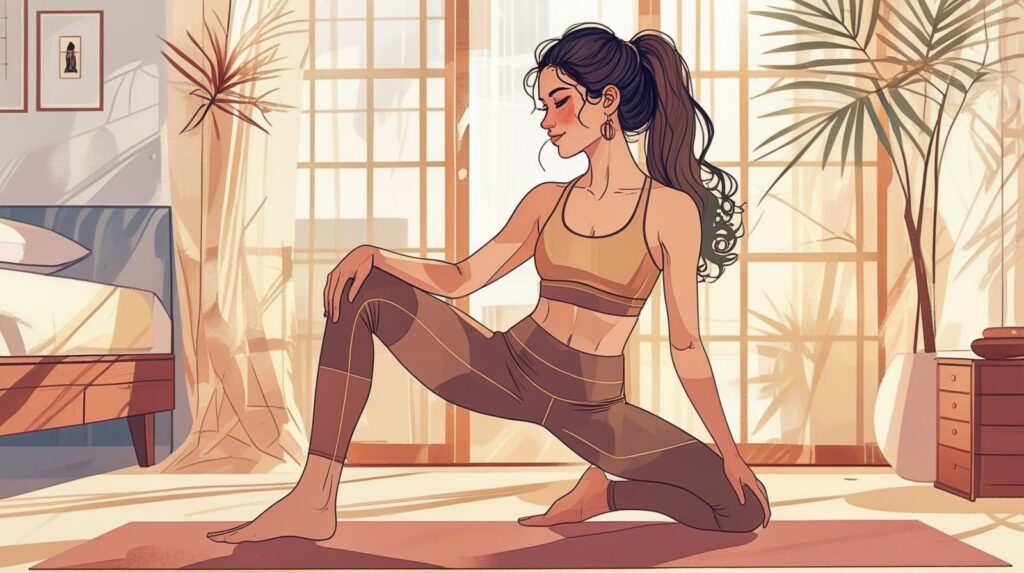
Stretching enhances muscle elasticity and increases joint range of motion, thereby lowering the risk of injury and improving posture. As stated by the American Council on Exercise, consistent stretching can boost athletic performance, alleviate muscular tension, and enhance circulation.
For women, particularly those managing stress, sedentary occupations, or postpartum changes, daily stretching fosters overall health and complements other practices within your Women’s Daily Wellness Routine.
Benefits of a Daily Stretching Routine for Women
Improves Flexibility and Mobility
Flexibility provides a wider range of motion, which aids in daily activities and minimizes muscle strain. Lengthened muscle fibers and enhanced range of motion enable the body to adjust to various movement patterns.
Alleviates Muscle Tension and Discomfort
Women who remain seated for extended periods or experience daily stress are more susceptible to stiffness, particularly in the neck, shoulders, and lower back. Stretching enhances blood circulation and diminishes tension by increasing blood flow to tight areas.
Enhances Mental Well-Being
Stretching activates the parasympathetic nervous system, which encourages relaxation and decreases stress hormones. Indeed, gentle stretching and mindful movement are associated with improvements in mood and a reduction in anxiety.
When to Incorporate Stretching into Your Daily Wellness Routine

Incorporating stretching into your daily routine is adaptable.
You can stretch:
- First thing in the morning (to awaken your muscles)
- After extended periods of sitting
- Post-exercise as part of your cool down
- Before going to bed (to promote relaxation)
The essential factor is consistency — integrating it into your daily wellness routine for women.
Introductory Stretching Routine for Women
For numerous women, the idea of beginning flexibility exercises can seem daunting. Therefore, this introductory stretching routine for women emphasizes gentle, safe, and effective movements that do not require any equipment.
Recommendations Before You Start
- Stretch to a comfortable level of tension, avoiding pain
- Breathe slowly and deeply throughout the process
- Maintain each stretch for 20–30 seconds
- Repeat each stretch 2–3 times on each side
The Routine
| Stretch | Primary Focus | Time (sec) |
|---|---|---|
| Neck rolls | Upper neck | 20 |
| Shoulder rolls | Shoulders | 20 |
| Cat-Cow | Spine mobility | 30 |
| Chest opener | Chest & shoulders | 30 |
| Seated hamstring | Back of thighs | 30 |
| Hip flexor stretch | Hips | 30 |
| Child’s pose | Lower back | 30 |
This sequence gradually warms up the major muscle groups and aids in restoring flexibility over time.
Comprehensive Full Body Stretching Routine for Women
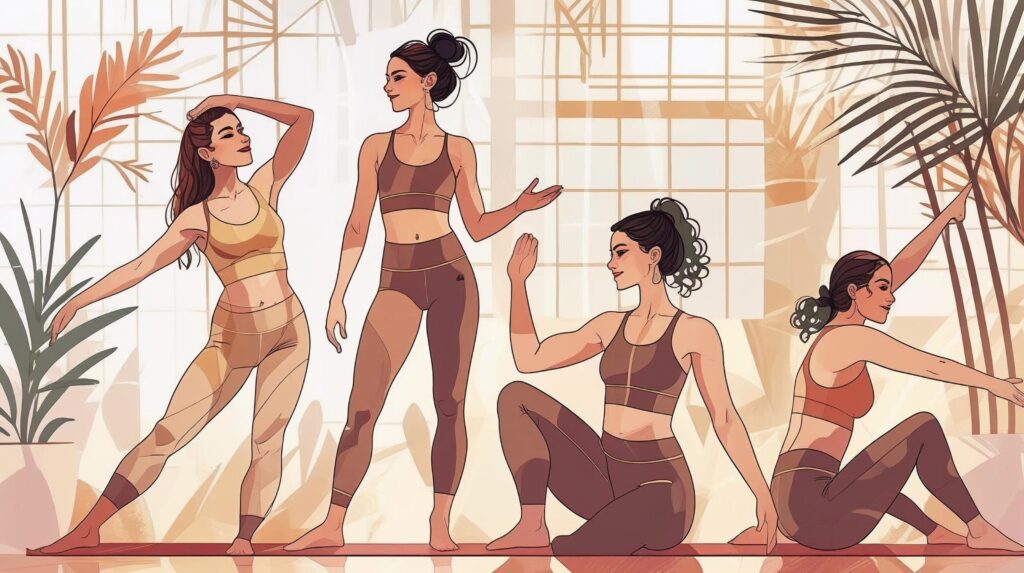
Once you feel at ease with the beginner sequence, advance to this comprehensive full body stretching routine for women that addresses all major areas:
The Complete Sequence
- Neck & Shoulder Rolls – Alleviates upper tension
- Upper Back Stretch – Enhances posture
- Side Bend Stretch – Focuses on lats & obliques
- Chest & Arm Stretch – Opens up anterior muscles
- Seated Forward Fold – Releases hamstrings
- Hip Flexor & Quad Stretch – Eases hip tension
- Butterfly Stretch – Targets inner thighs
- Calf Stretch – Improves lower leg flexibility
Hold each stretch for 30–45 seconds and repeat your preferred areas twice.
Sample Daily Stretching Schedule
Below is a straightforward weekly plan that includes both beginner and full body routines:
Weekly Stretching Chart
| Day | Plan |
|---|---|
| Monday | Beginner Routine |
| Tuesday | Full Body Stretch |
| Wednesday | Morning & Evening Stretch |
| Thursday | Beginner with Extra Hip Focus |
| Friday | Full Body Stretch |
| Saturday | Light Stretch + Mobility |
| Sunday | Relaxing Flexibility Flow |
This chart promotes consistency while avoiding monotony.
The Role of Stretching in Supporting Other Wellness Objectives
Posture & Core Stability
When combined with a daily mobility routine, stretching assists women in enhancing posture and core strength — particularly crucial if you have a sedentary occupation or experience stress in your shoulders and back.
Stress & Energy Balance
Stretching enhances blood circulation and fosters relaxation, aiding in the regulation of stress hormones and alleviating feelings of tension throughout the day.
Skin Health & Circulation
Enhanced circulation facilitates the delivery of nutrients to skin cells, contributing to radiant skin — a crucial benefit of your Women’s Daily Wellness Routine.
Research Supporting Stretching Benefits for Women

A growing body of scientific research indicates that integrating a daily stretching regimen for women provides a broad spectrum of physical and mental health advantages. These advantages render stretching an essential component of any Women’s Daily Wellness Routine, particularly when paired with mobility and mindful movement.
1. Enhances Flexibility and Range of Motion
Consistent stretching improves the capacity of muscles and joints to operate within their complete range of motion. Enhanced flexibility facilitates everyday actions — such as bending down or reaching overhead — making them simpler and more efficient. Studies suggest that stretching can elongate muscle fibers and connective tissue, thereby enhancing mobility over time. Medical news today
2. Promotes Posture and Joint Health
Tight muscles, particularly in the hips, shoulders, and lower back, can lead to poor posture and discomfort. Stretching aids in alleviating tension in these regions, enhancing alignment and minimizing strain on joints. Health professionals assert that flexibility exercises are vital for preserving joint health and preventing stiffness associated with sedentary lifestyles and aging. Harvard health
3. Increases Circulation and Blood Flow
Stretching has been demonstrated to enhance blood circulation to muscles and soft tissues. Improved circulation ensures that oxygen and nutrients are delivered more effectively throughout the body, which aids in muscle recovery and overall cardiovascular wellness. Healthline
4. Mitigates Muscle Tension and Pain
Muscles that remain tense for extended periods — due to stress, posture, or repetitive tasks — can lead to discomfort and pain in the neck, shoulders, and lower back. Regular stretching helps to relax these muscles and diminishes chronic tightness. Research also indicates that stretching can relieve musculoskeletal pain and enhance tissue flexibility. MDPI
5. Improves Physical Performance and Mobility
Even mild stretching routines can enhance functional movement and ease of activity. Increased flexibility is associated with improved balance, coordination, and physical function, making daily activities and exercise more manageable and efficient. National geographic
6. Alleviates Stress and Enhances Mental Health
Stretching exerts a soothing influence on the nervous system, which can alleviate stress and relieve muscle tension. Various studies indicate that incorporating stretching into a regular routine can lead to improved mood and a reduction in depressive symptoms. A three-week stretching program demonstrated a significant reduction in depressive scores among middle-aged women, underscoring its potential contribution to emotional well-being. PMC
7. Aids in Sustaining Long-Term Mobility and Promoting Healthy Aging
Regular flexibility exercises can mitigate the natural decrease in joint mobility and muscle elasticity that frequently occurs with aging. Preserving flexibility facilitates daily activities, lowers the risk of falls, and encourages independence in later years. Harvard health
Safety Tips for Stretching

Avoid These Common Mistakes
- Bouncing during stretches: This practice can lead to micro-tears.
- Holding breath: Maintain slow, steady breathing.
- Stretching cold muscles: Begin with gentle movements to warm up first.
When to Consult a Professional
If you encounter pain, tingling, or sharp discomfort while stretching, cease the activity and seek advice from a healthcare provider or physical therapist.
Simple Tools to Enhance Your Stretching Routine
While elaborate equipment is not necessary, the following can be beneficial:
- Yoga mat – for comfort and stability
- Stretch strap or towel – aids in leg stretches
- Foam roller – for myofascial release
- Cushion or yoga block – provides support
Authoritative References (Daily Stretching Routine for Women)
- Mayo Clinic — Stretching benefits and flexibility
- Healthline — Benefits of stretching
- Harvard Health — Stretching and mobility protection
- MDPI Research on stretching outcomes
Struggling with tight hips, back pain, or limited mobility?
Discover 14 proven stretches solving your specific pain points:
- Psoas Stretch – Release deep hip tension
- Couch Stretch – Open tight hip flexors
- Glute Stretches – Relieve lower back pressure
- Cobra Stretch – Improve spinal flexibility
- Frog Stretch – Deep inner thigh release
- Groin Stretches – Enhanced hip mobility
- Vertical Stretch – Full body elongation
- Hip Flexor Stretch – Desk worker essential
- Pigeon Stretch – Ultimate hip opener
- Shin Splint Stretches – Runner’s recovery
- Chest Stretches – Fix forward posture
- Cat Stretch – Spinal mobility + stress relief
- Soleus Stretch – Calf tension relief
- Butterfly Stretch – Pelvic floor + inner thighs
Solve your stiffness in 5 minutes daily → Pain-free movement guaranteed.
[Master All 14 Stretches Now] ← Transform tight muscles into flexible freedom! 🧘♀️💪
Final Thoughts
A Daily Stretching Routine for Women should be pleasurable, attainable, and integrated into your lifestyle — rather than a burden. With regular practice, you will observe enhancements in flexibility, comfort, posture, and overall wellness.
Stretching transcends mere movement — it is a practice that bolsters your body, mind, and long-term health objectives. In conjunction with other components of your Women’s Daily Wellness Routine, stretching evolves into a foundational habit for vibrant, balanced living.
FAQs: Daily Stretching for Women
Q1: How long should women stretch each day?
Aim for 10–20 minutes daily, split morning and evening if needed
Q2: Can stretching help with stress?
Yes — stretching promotes relaxation and lowers stress hormones.
Q3: Is stretching better before or after workouts?
Dynamic stretching before workouts and static stretching after is ideal to reduce injury and improve flexibility.
Q4: Can I stretch every day?
Yes — gentle stretching daily is beneficial, especially when incorporated into a Women’s Daily Wellness Routine.
Q5: Do I need a trainer for stretching?
Not necessarily. However, if you have injuries or health conditions, professional guidance is recommended.