
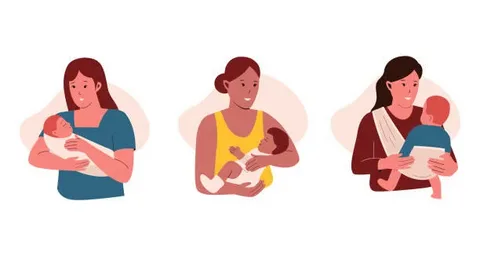
Becoming a new mother transforms every aspect of your life—your body, your schedule, and your priorities. While it may seem daunting to remain active during the newborn phase, engaging in movement is crucial for recovery, mental health, and overall well-being. Thankfully, with the appropriate mindset and a flexible Postpartum fitness plan, it is entirely feasible to maintain an active lifestyle while caring for an infant.
Instead of concentrating on rigorous workouts, this guide illustrates How to stay active with a newborn through brief, practical movement strategies that are backed by research. Moreover, many of these activities not only help you stay fit but also foster a bond with your baby simultaneously.
The Importance of Staying Active Post-Birth
Primarily, physical activity aids in postpartum recovery. The American College of Obstetricians and Gynecologists (ACOG) states that Gentle movement after childbirth enhances circulation, alleviates fatigue, and diminishes the likelihood of Postpartum depression.
In addition, regular physical activity contributes to:
- Enhancing mood and energy levels
- Facilitating Pelvic floor recovery
- Mitigating back, neck, and shoulder discomfort
- Encouraging improved sleep quality
- Establishing long-term fitness habits
Most importantly, remaining active does not necessitate spending extensive hours at the gym. Rather, it involves consistent movement in ways that accommodate your new lifestyle.
Research note:
Studies published in the Journal of Women’s Health and BMJ Open indicate that even low-impact activities such as walking can significantly enhance postpartum mental and physical health.
When Is It Appropriate to Resume Exercise After Birth?
Following a Vaginal Birth
Most women can initiate light activities—like walking and gentle stretching—within a few days, provided that bleeding is not excessive and pain is manageable.
For complete guidance
Following a C-Section
Movement should commence gradually. Short walks and breathing exercises are generally safe, but more vigorous exercise should be postponed until medical clearance is obtained (typically 6–8 weeks).
Always seek advice from your healthcare provider before beginning or intensifying your exercise routine.
How to Discover Time for Exercise as a New Mother
One of the primary obstacles that new mothers encounter is the lack of time. Nevertheless, redefining what “exercise” entails can significantly change the situation.
Change Your Perspective
Rather than inquiring, “When can I exercise?”, consider asking:
- “How can I incorporate movement into my existing routine?”
- “Is it possible for me to move for 5–10 minutes today?”
Utilize Short Time Intervals
Studies indicate that brief periods of physical activity (even just 5–10 minutes) can yield substantial health benefits when performed consistently.
Practical Tips for Saving Time
- Engage in movement during your baby’s nap times
- Exercise while your baby is on a play mat
- Take walks with the stroller Incorporate stretching during feeding breaks
This method renders your Postpartum fitness plan achievable rather than daunting.
How to Exercise at Home With a Baby
Exercising at home is frequently the most feasible choice for new mothers.
Baby-Friendly Exercises at Home
You can safely involve your baby in numerous activities:
- Perform squats while holding your baby
- Execute lunges beside a crib or couch
- Practice core breathing on the floor during tummy time
- Stretch while your baby plays nearby
These exercises not only save time but also assist you in maintaining fitness and strengthening your bond with your baby.
Safety Guidelines
- Move slowly and with control
- Cease activity if you experience pain or pelvic pressure
- Steer clear of high-impact exercises in the early postpartum period
For complete guide
How to Maintain Fitness With a Baby Through Everyday Movement
Exercise does not need to conform to traditional forms.
The Power of Walking
Walking with a stroller or baby carrier is among the most Effective postpartum exercises.
The benefits include:
- Improved cardiovascular health
- Decreased anxiety
- Gentle engagement of the core
- Exposure to fresh air and enhanced mental clarity
According to the CDC, regular walking is sufficient to fulfill postpartum activity recommendations.
Transform Daily Activities Into Exercise
- Carrying your baby engages your arms and core
- Rocking and pacing can boost your step count
- Cleaning and organizing contribute to light physical activity
Every little bit contributes.
Weekly Activity Plan With a Newborn
| Day | Activity | Time | Baby Included |
|---|---|---|---|
| Monday | Stroller walk | 20 min | Yes |
| Tuesday | Home strength + stretching | 10–15 min | Yes |
| Wednesday | Walking + breathing | 15 min | Yes |
| Thursday | Gentle yoga | 10 min | Optional |
| Friday | Full-body movement | 15 min | Yes |
| Weekend | Family walk | 20–30 min | Yes |
Maintain Fitness and Strengthen Your Bond with Your Baby Through Movement
Engaging in movement can enhance your relationship with your baby.
Advantages of Moving Together
- increases bonding hormones (oxytocin)
- Promotes a sense of calm and security for the baby
- Establishes regular routines
- Lowers stress levels for parents
Activities like baby-wearing walks, floor play stretches, and gentle rocking motions allow you to remain active with a newborn while fostering emotional intimacy.
Evidence-Based Advantages of Postpartum Activity
Research indicates that postpartum activity:
- Lowers the likelihood of postpartum depression (NIH)
- Enhances cardiovascular health (CDC)
- Boosts energy levels and mood (Mayo Clinic)
- Facilitates quicker physical recovery (ACOG)
Authentic References
You may refer to:
American College of Obstetricians and Gynecologists (ACOG)
Centers for Disease Control and Prevention (CDC)
Physical Activity for Postpartum Women
Mayo Clinic
Exercise After Pregnancy: How to Get Started
National Institutes of Health (NIH) – PubMed
Postpartum Physical Activity and Mental Health
National Health Service (NHS – UK)
Keeping Fit and Healthy After Having a Baby
Office on Women’s Health (U.S. Department of Health)
Cleveland Clinic
Postpartum Recovery and Exercise
Journal of Women’s Health
Postpartum Activity & Recovery Research
BMJ Open
Physical Activity and Postpartum Wellbeing
World Health Organization (WHO)
Integrating This Into Your Postpartum Fitness Strategy
An effective postpartum fitness strategy is:
- Adaptable
- Gentle
- Steady
- Supportive of mental well-being
Rather than emphasizing intensity, concentrate on:
- Daily movement
- Awareness of your body
- Gradual improvement
- Taking rest when necessary
This method enables you to maintain long-term activity—without experiencing burnout.
Final Reflections
Understanding How to stay active with a newborn is not centered on achieving perfection; rather, it focuses on being present, exercising patience, and making progress. By incorporating brief, gentle movements into your everyday routine, you facilitate healing, enhance mental clarity, and promote long-term health. When combined with a practical Postpartum fitness plan, these practices enable new mothers to feel robust, self-assured, and connected—both to their own bodies and to their infants.
FAQs
Q1: How soon can I stay active after giving birth?
Most women are able to initiate gentle movements within a few days, contingent upon their recovery and the guidance of medical professionals.
Q2: Is it safe to workout while holding my baby?
Indeed, if the movements are deliberate, gradual, and devoid of pain.
Q3: What if I only have 5 minutes?
A duration of five minutes suffices. Consistency is more crucial than the length of time spent.
Q4: Can staying active help postpartum mental health?
Certainly. Studies indicate that movement alleviates symptoms of anxiety and depression.
Q5: Do I need equipment?
No. In the early postpartum period, walking, bodyweight exercises, and stretching are sufficient.