
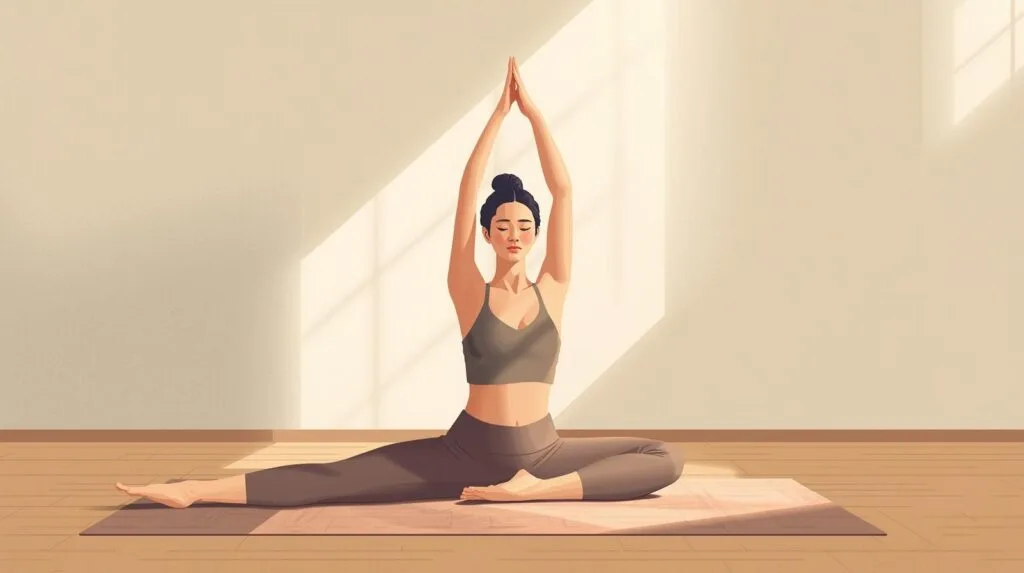
Do your hips feel tight after spending hours at a desk? Do you notice stiffness in your glutes when you stand up, walk, or exercise? If your lower back often feels tense or restricted, your hips may be contributing more to the problem than you realize.
Modern lifestyles involve more sitting than ever before. Whether you’re working at a computer, commuting, or relaxing on the couch, long periods of inactivity can gradually reduce hip mobility and increase muscle tightness. Over time, these restrictions can affect your posture, limit flexibility, make workouts less comfortable, and even contribute to everyday aches and stiffness.
Fortunately, there is a simple solution. The pigeon stretch is one of the most effective hip-opening exercises for releasing tension in the hips, glutes, and surrounding muscles. By targeting areas that commonly become tight from sitting and repetitive movement, this stretch can help improve mobility, enhance flexibility, and support more comfortable movement throughout the day.
Whether you’re an office worker dealing with tight hips, an athlete looking to improve performance, or someone who wants to move with greater ease, the pigeon stretch can be a valuable addition to your routine. For even better results, consider pairing it with a daily stretching routine to support full-body flexibility and long-term mobility.
In this guide, you’ll discover the benefits of the pigeon stretch, the muscles it targets, how to perform it correctly, common mistakes to avoid, and practical ways to use it for better mobility and long-term movement health.
What Is the Pigeon Stretch?
The pigeon stretch, often called the pigeon pose stretch in yoga, is a deep hip-opening movement designed to improve flexibility and mobility in the lower body.
The stretch primarily targets:
- Glute muscles
- Piriformis muscle
- Hip rotators
- Hip flexors
- Lower back support muscles
By placing one leg in front of the body and extending the other behind, the pigeon stretch creates a deep stretch through the hips while encouraging greater mobility and flexibility.
Because many people spend hours sitting each day, these muscles often become shortened, tight, and less mobile. The pigeon pose helps counteract these effects by gently lengthening and mobilizing the surrounding tissues.
Quick Relief Tip
If your hips feel stiff after sitting for several hours, try holding a gentle pigeon pose for 30 seconds on each side. Many people notice immediate improvements in hip comfort and mobility.
Why Do Hips Become Tight?
Understanding the cause of tight hips can help you appreciate why the pigeon pose is so effective.
Prolonged Sitting
When you sit for extended periods, your hip flexors remain in a shortened position. Over time, this can contribute to stiffness and reduced mobility.
Lack of Movement Variety
Modern lifestyles often involve repeating the same movements daily. Without regular stretching and mobility work, muscles gradually lose flexibility.
Exercise Imbalances
Activities such as running, cycling, and strength training can strengthen muscles without fully addressing flexibility needs.
Aging and Reduced Mobility
As we age, joint mobility and muscle elasticity naturally decline. Regular stretching becomes increasingly important for maintaining movement quality.
9 Benefits of Pigeon Stretch
1. Improves Hip Mobility
The pigeon pose helps increase range of motion in the hips, making daily movements easier and more comfortable.
2. Reduces Glute Tightness
Tight glutes can affect posture and movement patterns. This stretch helps release tension and restore flexibility.
3. Helps Release Piriformis Tension
The piriformis muscle sits deep within the hip region. Stretching it may help reduce discomfort associated with prolonged sitting.
4. Supports Better Lower Body Movement
Improved hip mobility can enhance walking, squatting, lunging, and climbing stairs.
5. May Reduce Lower Back Stiffness
Restricted hips often place additional stress on the lower back. Increasing hip mobility may help reduce that burden.
6. Improves Flexibility
The pigeon stretch for flexibility is particularly effective because it targets multiple muscle groups simultaneously.
7. Enhances Exercise Performance
Athletes often use hip-opening stretches to support efficient movement and reduce restrictions during training.
8. Encourages Better Posture
Healthy hip mobility can contribute to improved posture and movement alignment.
9. Promotes Relaxation
Deep breathing during stretching can help reduce physical tension and support relaxation.
Practical Workplace Tip
Perform the pigeon pose after long meetings or work sessions to reduce stiffness and improve movement before returning to your desk.
How to Do the Pigeon Stretch Correctly
Step 1: Begin on Hands and Knees
Start in a tabletop position.
Step 2: Bring One Knee Forward
Move your right knee toward your right hand.
Step 3: Extend the Opposite Leg
Slide your left leg behind you.
Step 4: Square the Hips
Keep both hips facing forward as much as possible.
Step 5: Lengthen the Spine
Sit tall and avoid collapsing through the chest.
Step 6: Lower Into the Stretch
Gently lean forward if comfortable.
Step 7: Hold and Breathe
Maintain slow, controlled breathing for 20–60 seconds.
Step 8: Switch Sides
Return to the starting position and repeat on the opposite side.
Breathing Tips
- Inhale slowly through your nose.
- Exhale fully.
- Avoid holding your breath.
Common Problems the Pigeon Stretch Can Help Solve
Desk Worker Example
Office workers often experience:
- Tight hips
- Stiff glutes
- Lower back discomfort
- Reduced mobility
Recommendation: Perform the pigeon pose after prolonged sitting or during lunch breaks.
Athlete Example
Runners, cyclists, and lifters frequently develop hip tightness from repetitive movement patterns.
Recommendation: Use the pigeon pose after workouts to support recovery and flexibility.
Older Adult Example
Maintaining mobility becomes increasingly important with age.
Recommendation: Use modified versions of the stretch to safely support flexibility and movement quality.
Pigeon Stretch Variations
| Beginner-Friendly | Intermediate | Advanced |
|---|---|---|
| Reclining pigeon stretch | Traditional pigeon stretch | King pigeon pose |
| Seated pigeon stretch | Supported pigeon stretch | Deep forward fold pigeon |
| Figure-four stretch | Dynamic pigeon stretch | Advanced yoga variation |
Reclining Pigeon Stretch
Ideal for beginners and individuals with limited mobility.
Seated Pigeon Stretch
A convenient option for office workers.
Traditional Pigeon Stretch
Offers a deeper hip-opening experience.
King Pigeon Pose
Suitable for advanced practitioners with significant flexibility.
If the Pigeon Stretch Feels Uncomfortable
| Problem | Possible Cause | Solution |
| Knee discomfort | Poor positioning | Place support under hip |
| Hip pain | Going too deep | Reduce range of motion |
| Lower back strain | Misalignment | Square hips |
| Balance issues | Limited mobility | Use seated variation |
Common Mistakes to Avoid

Forcing Flexibility
Stretching should never be painful.
Ignoring Pain Signals
Sharp pain is a sign to stop immediately.
Holding Your Breath
Proper breathing helps muscles relax.
Twisting the Hips
Keep hips as level as possible.
Stretching Cold Muscles
Warm up with light movement first.
Comparing Yourself to Others
Mobility varies significantly from person to person.
Safety Tips Before Performing a Pigeon Stretch

When to Avoid the Stretch
Avoid stretching if you have:
- Acute injuries
- Severe pain
- Recent surgery
Hip Injury Considerations
Modify the stretch if hip movement causes discomfort.
Knee Injury Considerations
Use extra support or choose a reclining variation.
Sciatica Considerations
Individuals experiencing sciatica symptoms should move gently and consult a healthcare professional if symptoms worsen.
Pregnancy Considerations
Seek guidance from a qualified healthcare provider before performing deep stretches.
Warm Up First
A short walk or light movement can prepare your muscles for stretching.
2-Minute Pigeon Stretch Routine for Tight Hips
30 Seconds Left Side
Hold a comfortable stretch position.
30 Seconds Right Side
Repeat on the opposite side.
30 Seconds Reclining Pigeon
Perform a gentle figure-four stretch.
30 Seconds Deep Breathing Recovery
Focus on slow, controlled breathing.
Best Times to Perform It
- Morning mobility sessions
- After work
- Post-workout recovery
- Before bedtime
Authentic Sources (Pigeon Stretch)

1. Healthline (Best Overall Reference)
Topic: Pigeon Pose benefits, instructions, variations, and safety
Healthline – Pigeon Pose: Benefits, Risks, and Variations
2. Hinge Health
Topic: Physical therapist-reviewed guide to pigeon pose
Hinge Health – How to Do a Pigeon Pose
3. NHS (National Health Service)
Topic: Stretching and flexibility guidance
NHS – How to Stretch After Exercising
4. Cambridge University Hospitals NHS Foundation Trust
Topic: Hip stretching and flexibility
CUH NHS – Stretches for the Hip
Frequently Asked Questions
Q1. What does the pigeon stretch do?
It helps improve hip mobility, flexibility, and glute flexibility while reducing feelings of stiffness.
Q2. Is pigeon stretch good for tight hips?
Yes. It is one of the most effective hip-opening stretches available.
Q3. Can pigeon stretch help sciatica?
It may help relieve tension in muscles surrounding the sciatic nerve, although results vary between individuals.
Q4. Can pigeon stretch reduce lower back stiffness?
Improving hip mobility can help reduce stress placed on the lower back.
Q5. How long should I hold the stretch?
Most people benefit from holding it for 20–60 seconds per side.
Q6. Should beginners do pigeon stretch?
Yes, but modified versions are often the safest starting point.
7. Can I do pigeon stretch every day?
Daily practice is generally appropriate for healthy individuals.
Q8. Which muscles does pigeon stretch target?
It primarily targets the glutes, piriformis, hip rotators, hip flexors, and supporting lower back muscles.
Conclusion (Pigeon stretch)
Tight hips can affect everything from posture and flexibility to exercise performance and daily comfort. Unfortunately, these issues rarely improve without intentional mobility work.
The pigeon stretch offers a simple yet highly effective way to improve hip mobility, reduce glute tightness, support flexibility, and enhance movement quality. Whether you’re dealing with stiffness from desk work, athletic training, or everyday inactivity, this stretch can become an important tool in your mobility routine.
For even greater results, combine the pigeon stretch with a comprehensive daily stretching routine that targets the entire body. Consistent stretching habits can help you move better, feel better, and maintain healthy mobility for years to come.
Ready to Improve Your Mobility?
Start incorporating the pigeon stretch into your daily routine today. Just a few minutes of consistent practice can help reduce stiffness, improve flexibility, and make everyday movement more comfortable and enjoyable.