
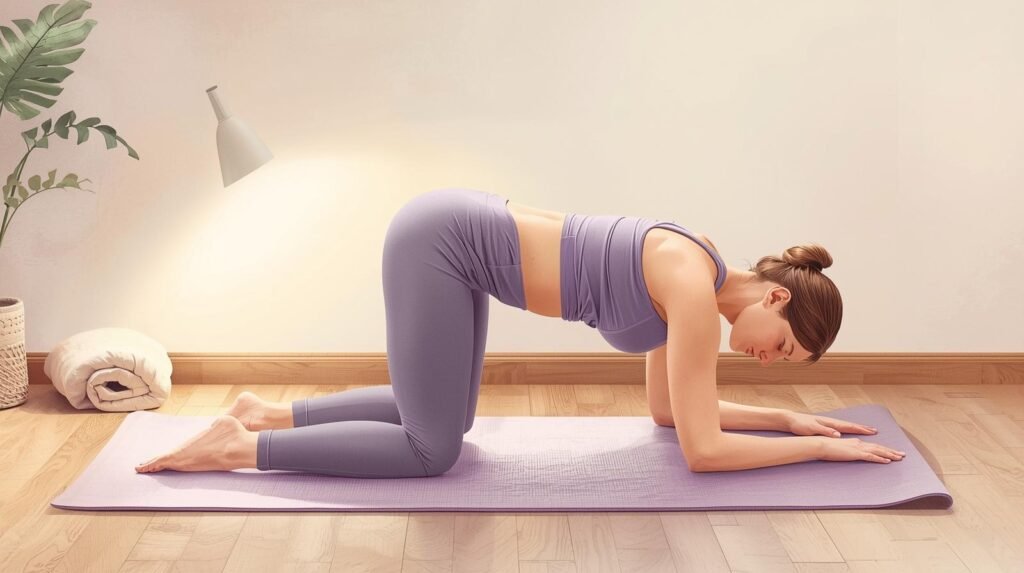
Tight hips, stiff muscles, and limited flexibility are common problems caused by long hours of sitting and lack of movement. Fortunately, the frog stretch is a simple yet powerful exercise that helps open the hips, improve mobility, and reduce lower body tension naturally. By targeting the inner thighs, groin, and hip muscles, this stretch can help improve posture, movement quality, and overall flexibility.
Moreover, adding the frog stretch to your routine may help relieve stiffness after workouts or daily activities. Since flexibility improves gradually, consistency is extremely important. That is why many fitness experts recommend combining this movement with a complete daily stretching routine for better long-term mobility, posture, and muscle recovery.
Whether you are a beginner or someone looking to improve flexibility, the frog stretch can become an effective part of your wellness and mobility journey.
9 Benefits of Frog Stretch
The frog stretch benefits go beyond simple flexibility. Here are some of the biggest advantages of adding this movement to your routine:
- Improves hip mobility and flexibility
- Reduces stiffness caused by sitting
- Stretches tight inner thigh muscles
- Helps improve posture and alignment
- Relieves lower back tension naturally
- Supports workout recovery and muscle relaxation
- Improves movement quality during exercise
- Helps increase deep squat mobility
- Promotes relaxation and stress relief
Because of these benefits, the mobility stretch for hips is often included in yoga, athletic recovery, and mobility programs.
How to Do Frog Stretch (Step-by-Step)
The frog stretch is a powerful mobility exercise that helps open the hips, stretch the inner thighs, and improve overall flexibility. However, using proper form is extremely important to avoid discomfort and get the best results. Follow these detailed steps carefully.
1. Start in a Tabletop Position
First, place your hands and knees on a soft surface such as a yoga mat. Your shoulders should stay directly above your wrists, while your knees should align under your hips.
At the same time, keep your back straight and your core lightly engaged. This creates a stable starting position and protects your lower back.
Beginner Tip:
If your knees feel sensitive, place a folded towel or cushion underneath them for extra comfort.
2. Slowly Move Your Knees Apart
Next, gently slide your knees outward to the sides. Move slowly and stop at a comfortable distance.
Your ankles should remain in line with your knees, creating roughly a 90-degree bend in the legs. This positioning helps target the hips and inner thighs more effectively.
Important:
Do not force your knees too wide too quickly. Instead, allow your flexibility to improve gradually over time.
3. Keep Your Hips Aligned
Once your knees are apart, carefully shift your hips backward while keeping your spine neutral. Your hips should remain level without twisting or leaning to one side.
Meanwhile, avoid arching your lower back excessively. A neutral spine helps keep the stretch safe and controlled.
What You Should Feel:
At this stage, you should notice a gentle stretch in:
- Inner thighs
- Groin muscles
- Hip area
However, you should never feel sharp or sudden pain.
4. Lower Your Forearms to the Floor
If you feel comfortable, slowly lower your forearms onto the mat. This position allows your upper body to relax and deepens the stretch naturally.
On the other hand, if this feels too intense, remain on your hands instead. Both positions are effective for improving mobility.
Breathing Tip:
Take slow, deep breaths throughout the stretch. Proper breathing helps the muscles relax and makes the movement more comfortable.
5. Hold the Stretch Gently
Hold the position for about 20–30 seconds if you are a beginner. More advanced individuals may gradually increase the hold time to 45–60 seconds.
While holding the stretch:
- Keep breathing steadily
- Relax your hips gradually
- Avoid bouncing or forcing deeper movement
Safety Reminder:
Stretching should feel challenging but controlled. If discomfort becomes painful, reduce the intensity immediately.
6. Return Slowly and Safely
To exit the stretch, slowly walk your hands forward and gently bring your knees back together.
Move carefully and avoid sudden movements, especially if your hips feel tight. Afterward, sit back in a relaxed position for a few seconds to release tension.
Extra Tips for Better Results
To make your frog stretch more effective, follow these helpful tips:
- Warm up before stretching
- Practice consistently 3–5 times weekly
- Focus on controlled breathing
- Progress gradually instead of rushing
- Use cushions or yoga blocks for support
- Combine the stretch with hip mobility exercises
Recommended Hold Time
| Experience Level | Hold Time | Sets |
|---|---|---|
| Beginner | 20–30 seconds | 2 sets |
| Intermediate | 30–45 seconds | 2–3 sets |
| Advanced | 45–60 seconds | 3 sets |
Final Tip
The key to improving flexibility with the frog stretch is patience and consistency. Although results may not happen overnight, regular practice can gradually improve hip mobility, reduce stiffness, and enhance overall movement quality. Therefore, focus on proper form, controlled breathing, and slow progress for the best long-term results.
Common Frog Stretch Mistakes to Avoid

Overstretching
Many beginners push too hard too quickly. However, overstretching can strain the groin muscles and hips.
Arching the Lower Back
Instead of arching your spine, keep your back neutral. Otherwise, extra pressure may develop in the lower back.
Incorrect Knee Position
Placing the knees too wide too early may create discomfort. Instead, gradually increase your range of motion.
Holding Your Breath
Breathing helps muscles relax. Therefore, always maintain slow and steady breathing during the stretch.
Moving Too Aggressively
Fast movements can increase injury risk. Instead, move slowly and allow the body to adjust naturally.
By correcting these mistakes, your deep hip stretch becomes safer and more effective.
Frog Stretch Variations for Beginners

Not everyone has the same flexibility level. Fortunately, there are several easier versions of the frog stretch routine for beginners.
Supported Frog Stretch
Place yoga blocks or pillows under your chest for extra support. This variation reduces pressure on the hips.
Best For:
- Beginners
- Tight hips
- Limited flexibility
Wall-Supported Frog Stretch
Perform the stretch near a wall for better balance and stability.
Best For:
- Balance support
- Controlled mobility training
Cushion-Assisted Frog Stretch
Place cushions under your knees to reduce pressure and discomfort.
Best For:
- Sensitive knees
- Beginners with stiffness
Dynamic Frog Stretch
Instead of holding the position, gently rock your hips backward and forward.
Best For:
- Warm-ups
- Mobility activation
- Athletes
These variations make the flexibility routine more accessible and comfortable.
Who Should Avoid Frog Stretch?

Although the frog stretch is generally safe, some people should proceed carefully or avoid it altogether.
Avoid the stretch if you have:
- Serious hip injuries
- Severe knee pain
- Groin muscle strain
- Advanced mobility limitations
- Recent surgery affecting hips or knees
Pregnant individuals should also use caution, especially during later stages of pregnancy.
Consult a healthcare professional before starting any new stretching routine.
Listening to your body is extremely important. If pain occurs, stop immediately and seek professional guidance.
Frog Stretch Routine (Weekly Plan)
Here is a beginner-friendly routine you can follow:
| Day | Duration | Focus |
|---|---|---|
| Monday | 20 seconds x 2 | Gentle mobility |
| Tuesday | 30 seconds x 2 | Hip flexibility |
| Wednesday | Rest or light stretch | Recovery |
| Thursday | 30 seconds x 3 | Deep hip opening |
| Friday | 20 seconds x 3 | Controlled breathing |
| Saturday | 40 seconds x 2 | Mobility progression |
| Sunday | Light dynamic stretch | Recovery and relaxation |
Consistency matters more than intensity. Therefore, focus on gradual progress rather than forcing deeper stretches.
📚 Authentic Sources for Frog Stretch & Hip Mobility

1. Harvard Health – Stretching Benefits
Explains how regular stretching improves flexibility, mobility, posture, and muscle function.
Harvard Health – Stretching and Flexibility
2. Mayo Clinic – Stretching Guide
Provides medically reviewed guidance on safe stretching techniques and flexibility improvement.
Mayo Clinic – Stretching Exercises Guide
3. Cleveland Clinic – Hip Flexibility & Mobility
Discusses hip mobility exercises, stretching benefits, and injury prevention.
Cleveland Clinic – Benefits of Stretching
4. National Academy of Sports Medicine (NASM)
Covers hip mobility, flexibility exercises, and corrective stretching methods commonly used in fitness programs.
NASM – Hip Mobility Exercises
5. Healthline – Frog Stretch Guide
Provides a practical breakdown of the frog stretch, including benefits, muscles targeted, and safety precautions.
Healthline – Frog Stretch Benefits and How To Do It
FAQs About Frog Stretch
Is frog stretch good for tight hips?
Yes. The frog stretch for hips helps open the hip joints and release tension in tight inner thigh muscles.
How long should I hold frog stretch?
Beginners should hold the stretch for 20–30 seconds. Over time, this can gradually increase.
Can beginners do frog stretch?
Absolutely. However, beginners should use cushions or supported variations for comfort and safety.
Does frog stretch improve flexibility?
Yes. Regular practice improves hip mobility, inner thigh flexibility, and overall movement quality.
Why does frog stretch hurt?
The stretch may feel uncomfortable if your hips or groin muscles are very tight. However, sharp pain is not normal and should be avoided.
Conclusion
The frog stretch is one of the most effective exercises for improving hip mobility, increasing flexibility, and relieving tightness in the lower body. In addition, it helps support better posture, smoother movement, and overall muscle relaxation. However, the key to seeing results is consistency and proper form.
Rather than forcing deep stretches immediately, focus on gradual progress and controlled breathing. Over time, even a few minutes of regular stretching can lead to noticeable improvements in comfort and flexibility. Furthermore, combining the frog stretch with a structured daily stretching routine can help create balanced mobility throughout the entire body.
Ultimately, staying active and stretching consistently can improve movement quality, reduce stiffness, and help you feel more flexible every day.